




Have you ever sent money to India and then wondered, “Has the money reached the account yet?”
Whether you’re sending money to your family, paying an EMI, or making an important payment back home, waiting for a transfer to arrive can be stressful.
That’s where a UTR number can become useful. It helps identify a specific financial transaction and can make it easier for banks and financial service providers to locate a payment when you need an update.
What is a UTR Number?
UTR stands for Unique Transaction Reference.
A UTR number is a unique reference associated with a particular financial transaction. It helps banks identify and trace a specific payment within the relevant banking or payment system.
If you’ve ever looked at your bank statement and noticed a long string of letters and numbers next to a transaction, that may be the transaction’s UTR or reference number.
The exact format and length can vary depending on the payment system, bank, and type of transaction.
Think of a UTR number as a unique identity for a particular transaction.
For example, if you send money to someone and later need to ask the bank about that specific payment, providing the relevant transaction reference can help them locate it more easily.
Why is a UTR Number Important?
Imagine you’ve sent money home from the UAE, but your family tells you they haven’t received it yet.
The first thing you may want to know is:
“Where is my money?”
A transaction reference can help the bank or financial service provider identify the payment you’re asking about.
A UTR or relevant transaction reference can be useful for:
- Tracking a transaction
- Confirming a payment
- Resolving payment-related issues
- Providing proof of a transaction
- Finding a specific transaction among multiple payments
This becomes particularly useful if you regularly send money to India and have several transfers appearing in your transaction history.
Where Can You Find Your UTR Number?
The easiest place to start is your transaction details.
Depending on the bank or payment service you used, you may find the UTR or transaction reference in:
Bank statement
Check the transaction details in your bank statement. It may appear under labels such as UTR, Reference Number, Transaction Reference, or Ref No.
Mobile banking
Open your bank’s mobile app and go to your transaction history. Select the relevant payment to view its detailed information.
Internet banking
Log in to your bank’s online banking portal and open your account statement or transaction history.
SMS or email
Some banks and financial service providers include a transaction reference in payment notifications sent by SMS or email.
Contact customer support
If you still can’t find the reference, contact the bank or service provider that processed the transaction. Keep details such as the transaction date, amount, and beneficiary information available to help them locate it.
Tip: Don’t confuse the UTR with your account number, IFSC code, or beneficiary details. They serve different purposes.
How to Track a Transaction Using a UTR Number?

A UTR is primarily an identification and tracing reference. It doesn’t necessarily mean that you can enter the number into one universal website and instantly see the status of every transaction.
The tracking process depends on the bank or payment system involved.
Step 1: Find your transaction details
Locate the payment in your bank statement, mobile banking app, or the service you used to make the transfer.
Step 2: Note the UTR or transaction reference
Copy the reference carefully. Even one incorrect character can make it difficult to identify the transaction.
Step 3: Check the transaction status
Your bank or money-transfer provider may show the current status in its app, website, or transaction history.
Step 4: Contact the provider if the transfer is delayed
If the recipient hasn’t received the money within the expected timeframe, provide the transaction reference to customer support.
They can use the reference, along with other transaction details, to investigate the payment.
UTR Number for NEFT, RTGS, IMPS, and UPI Transactions
You may have heard the term UTR while using different Indian payment systems.
But UTR formats and references aren’t necessarily identical across NEFT, RTGS, IMPS, and UPI.
NEFT – National Electronic Funds Transfer.
A transaction reference is generated for NEFT transactions and can be used to identify the specific payment.
RTGS – Real Time Gross Settlement.
RTGS transactions also have a unique reference that allows the payment to be identified within the system.
IMPS – Immediate Payment Service.
For IMPS transactions, you may see a transaction/reference number associated with the payment.
UPI
UPI transactions use a transaction ID/reference that can be used to identify the payment.
While people often use “UTR” as a general term when talking about tracking payments, the exact reference terminology can vary by payment method and provider.
UTR Number vs Transaction ID vs Reference Number
These terms can sound confusing, especially when you’re trying to track a missing payment.
| Term | What it generally does |
| UTR Number | A unique reference used to identify a transaction within applicable banking/payment systems |
| Transaction ID | An identifier assigned to a particular transaction |
| Reference Number | A reference used by a bank or financial service provider to identify a transaction |
The important thing is not always the name of the number.
For international money transfers, the reference shown by your money-transfer provider may not always be called a UTR.
What to Do If the Recipient Hasn’t Received the Money?
First, check the transfer status and expected delivery time.
Then:
1. Check the transaction details
Make sure the transfer was successfully initiated, and check whether it is pending, processing, or completed.
2. Check the recipient details
Verify the beneficiary’s name, account number, and other information you entered.
3. Check the expected delivery time
Transfer times can vary depending on the payment route, destination bank, holidays, processing systems, and other factors.
4. Keep your transaction reference ready
If you need help, your UTR or transaction/reference number can help the relevant provider identify the payment.
5. Contact your bank or money-transfer provider
If the expected delivery time has passed, contact the provider that processed your transfer and provide the relevant transaction details.
Don’t send the money again immediately just because the recipient hasn’t received it yet. First, find out what happened to the original transfer.
Why UTR Numbers Matter for Indians Living Abroad

If you’re working in the UAE and regularly sending money to India, you may have several transfers to keep track of every month.
- Find a specific transfer quickly
When you send money regularly, transaction dates and amounts can start to look the same. A unique reference helps identify the exact transfer you’re looking for.
2. Check on a delayed transfer
If your family hasn’t received the money within the expected time, the transaction reference gives the bank or money-transfer provider a specific payment to investigate.
3. Confirm that a payment was made
Need to show that you sent the money? Your transaction details and reference can help you identify the payment and provide relevant transaction information when required.
4. Keep track of your monthly transfers
If you send money to India every month, keeping your transaction records organised can make it easier to look back at previous payments and manage your finances.
5. Make support conversations easier
If you contact your bank or money-transfer provider about a transaction, having the reference number, transfer date and amount ready can help them locate the payment faster.
What to Know When Sending Money to India
A transaction reference is useful after you’ve made a transfer. But choosing the right transfer service matters before you press send.
If you’re sending money from the UAE to India, consider:
Exchange rate
Check the applicable AED to INR exchange rate before confirming your transfer.
Total cost
Check the transfer fee. Consider the exchange rate and the final amount the recipient will receive.
Transfer speed
If your family needs the money urgently, check the expected delivery time before confirming.
Tracking
Choose a service that lets you easily access your transaction details and check the status of your transfer.
Security
Use an established and appropriately regulated money-transfer service, and always check your beneficiary details before confirming.
Convenience
If you send money home every month, being able to send money online from your phone can save you a trip to a branch.
How LuLu Money Makes Sending Money to India Easier
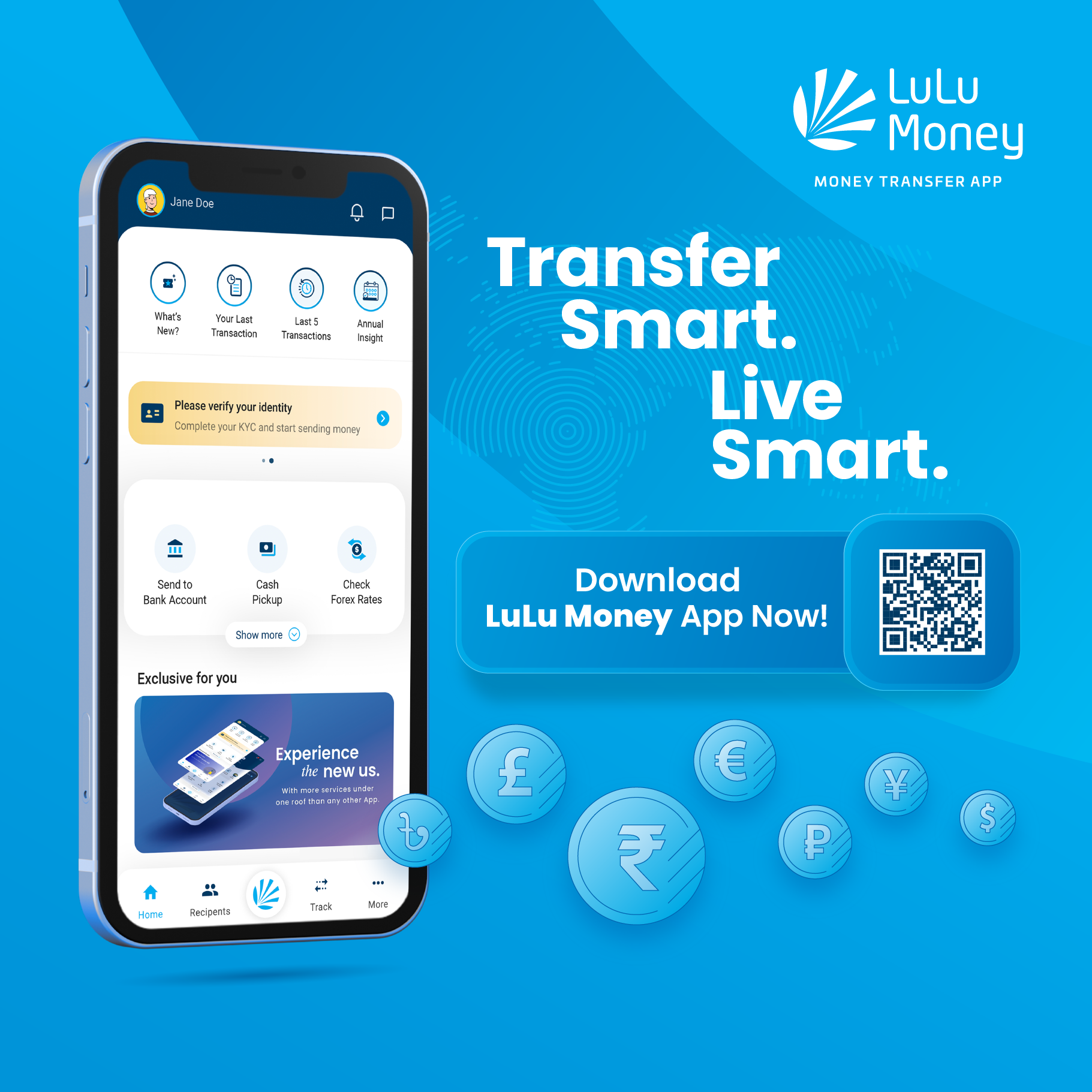
With the LuLu Money App, you can send money to India, review your transfer details, and stay informed about your transaction.
If you need to check a transfer, having your transaction information readily available can make it easier to refer to a specific payment.
And when you’re sending money home regularly, speed and convenience matter too.
Transfers to India are usually credited within 4 minutes, subject to applicable conditions and banking processes.
You can also get more value from your transfers with LuLu Money offers:
- Unlimited free transfers to India, subject to applicable offer terms
- Get AED 25 worth of LuLu Money reward points when you make a qualifying first transaction of AED 250 or more
- You and your friend can each receive AED 25 worth of reward points when the referred customer makes a qualifying first transfer of AED 250 or more
Ready to send money home?
Download the LuLu Money App and make your next transfer.
Frequently Asked Questions
Can I track a transaction using a UTR number?
A UTR can help identify and trace a transaction, but the exact tracking process depends on the bank or payment system. You may need to contact your bank or payment provider and provide the transaction reference.
How can I get my UTR number?
You can usually find the relevant UTR or transaction reference in your bank statement, mobile banking app, internet banking transaction history, SMS, email, or payment receipt. If you cannot find it, contact the bank or service provider that processed the transaction.
Does an international money transfer have a UTR number?
Not necessarily in the same format used for domestic Indian banking transactions. International transfers may use a UTR, transaction reference, payment reference, or another identifier depending on the provider and payment route.
If you’re sending money from the UAE to India, check the transaction details provided by your money-transfer service.
What should I do if my recipient hasn’t received the money?
First, check your transaction status and expected delivery time. Verify the recipient details and keep your transaction reference ready. If the expected delivery time has passed, contact your bank or money-transfer provider for assistance.
Is it safe to share my UTR number?
A transaction reference is useful when discussing a payment with your bank or service provider, but you should avoid sharing financial information publicly or with unknown people. Follow your bank or provider’s guidance on what transaction information is safe to share.
Planning to Send Money to India?
The next time you send money to India, don’t just check the amount and exchange rate. Keep your transaction details handy too.
And if you’re looking for a convenient way to send money from the UAE to India, the LuLu Money App lets you send money online, review your transfer details and stay informed about your transaction.
Sending money shouldn’t be complicated.
Download the LuLu Money App and send money home!
Popular BLOG

October 21, 2026
What is Aani? How to Use Aani on the LuLu Money App

October 12, 2026
Send Money, Win an iPhone 18 Pro Max: LuLu Money SendFest is Here
October 6, 2026
UTR Number: Everything You Need to Know

September 17, 2026
What is NRI? A Complete Guide for Indians Living and Working in the UAE
August 17, 2026
What is TAT? How LuLu Money Redefines Transfer Speed in the UAE

August 5, 2026
Why is August One of the Best Months to Send Money Home?

July 18, 2026
LuLu Exchange and LIVAN UAE Join hands for Channel 4 Radio’s Football Campaign

June 11, 2026
A Partnership Born from Shared Values, Timed for the World's Biggest Stage

May 29, 2026
What's the Best Way to Pay University Fees Abroad?

May 11, 2026
Building a Financially Secure Future for Our Nation
LuLu Money and Ding partner to offer international mobile top-up to
Subscribe Our
Youtube Channel

LatestBLOG