Why Does the US Dollar Hold the Key to Global Exchange Rates?

In a world of constant global money flows, one currency stands out from the others, the United States Dollar. Be it a money transfer from UAE to Kuwait, OMR to GBP currency exchange, or daily forex rate analysis, the dollar influences it all.

Movements in dollar values ripple through every transaction. So the question is, why does the USD hold such power? Why does a shift in the American economy affect the world’s exchange rates? It’s time to find out.

Dollar – The World’s Financial Anchor

The US dollar is not just America’s currency, it’s the centre of the global financial system. After World War II, based on the Bretton Woods Agreement, most world currencies were pegged to the USD, while the dollar itself was backed by gold.

Even after the system ended in the 1970s, the dollar continued to maintain its dominance. Over 80% of global trade and 60% of central bank reserves are held in USD.

In short, when the dollar moves, the currency rates move.
The United States Dollar

Check the AED to USD rates!

How the USD Shapes Other Currency Rates

Movements in dollar value create a ripple effect across most major currency values. Want to know why? Here are the reasons:

The Dollar Is the World’s Default Trade Currency
Oil, gold, and gas which are major global commodities, are priced in USD. Changes in the dollar value causes changes in the price of these commodities thereby causing fluctuations in the currency values of the countries purchasing these commodities.

Global Investors Treat the USD as a Safe Haven
During uncertain times, global investors rely on the US dollar. This increased demand for USD weakens other currencies.

US Interest Rates Influence Global Money Flows
As the US Federal Reserve raises interest rates, investors are more likely to move funds to the US for better returns. This increases demand for USD which in turn puts pressure on other currencies.

Many Countries Borrow in USD
Most developing countries take loans in dollars. When the dollar strengthens, repaying debt adds stress to their financial systems, often leading to weaker local currencies.

Central Banks Hold USD as a Primary Reserve
Most central banks hold large reserves in US dollars. Any change in these holdings, or in confidence toward the US economy, shifts global demand for the dollar, influencing the value of other major currencies.
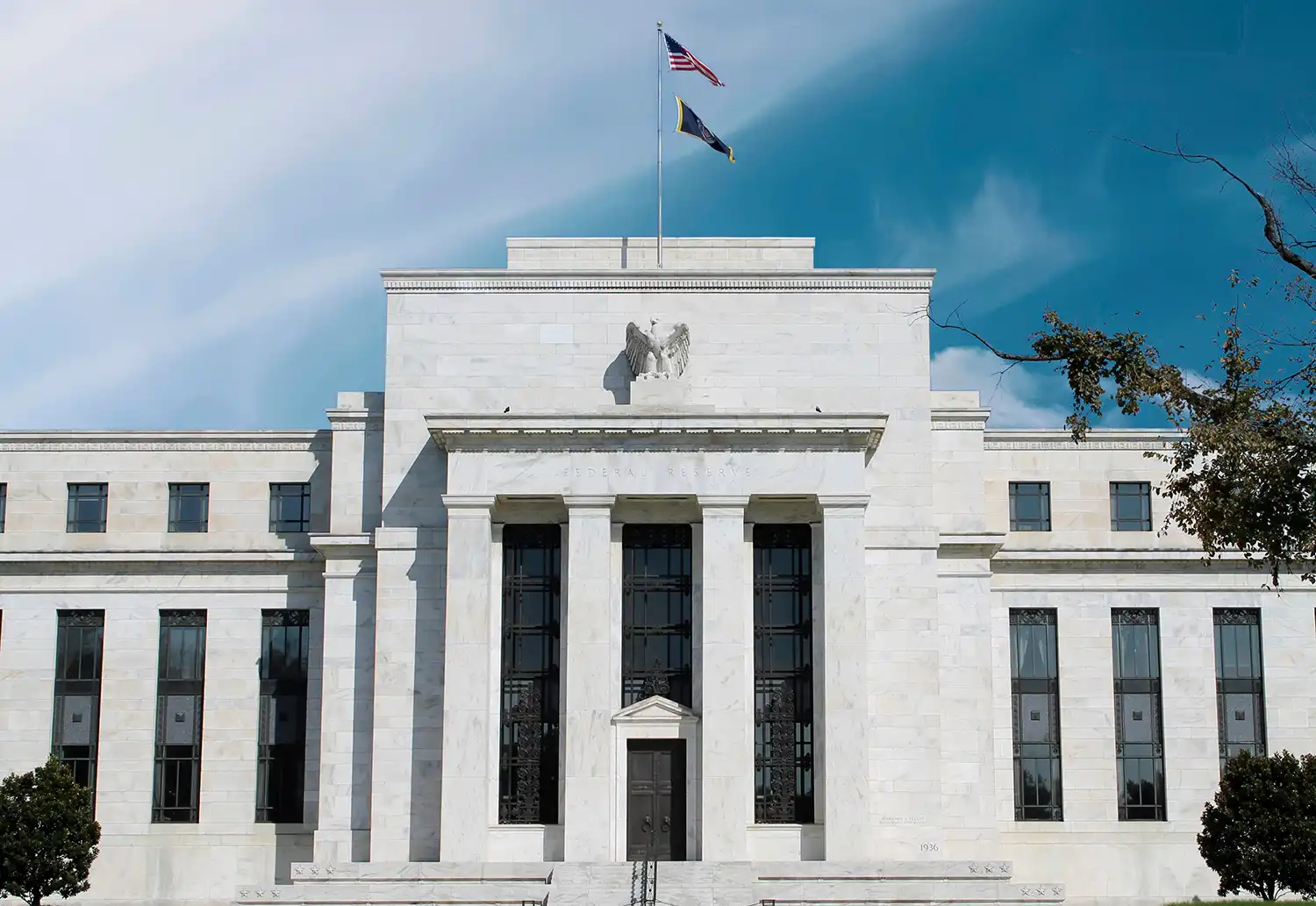
USA Federal Reserve

What Gives the US Dollar Its Global Strength

The US dollar has great control over the exchange rates of other currencies. Why is that so? Here are the key reasons behind its global strength.

Large and Stable US Economy
The US economy is one of the world’s strongest, most transparent, and most resilient economies. As a result, global governments, banks, and investors consider USD as a trustworthy store of value.

Deep, Liquid Financial Markets
The US has the biggest and most accessible financial markets. Anyone can buy or sell USD assets easily, in huge volumes, without affecting prices too much. No other currency offers this level of liquidity.

The USD’s Dominance in Global Trade
To buy commodities such as oil, gold, natural gas, machinery, and electronics, which are priced in USD, countries need dollars. This forces other countries to hold and use more USD, strengthening its dominance.

Network Effect: Everyone Uses It Because… Everyone Uses It
Similar to platforms like Google, once the world adopts a system widely, it becomes very hard to replace. USD is deeply embedded in international trade, cross-border payments, forex markets, global debt, and remittances.

All the above mentioned factors keep the USD powerful.

Why This Matters for Your Money Transfers

Changes in USD values result in variations in the global currency values. Understanding the dollar’s behaviour helps you in the following ways:

  • Send money when you get better value
  • Read market trends more confidently
  • Understand why rates change day to day

This is especially useful for expats in the GCC and other countries who send money regularly.

Get best exchange rates

Download the LuLu Money App and send money at the best rates!

How Will Dollar Value Fluctuations be Useful for Expats?

For millions of expats living in the UAE, Saudi Arabia, Kuwait, Oman, Bahrain, and Qatar, it is important to understand how changes in the US dollar values affects how much their families receive back home.

Consider that you’re an expat in the UAE sending AED to INR. When USD strengthens in the global market, INR weakens as it is sensitive to USD movements.

Let’s understand this with an example.
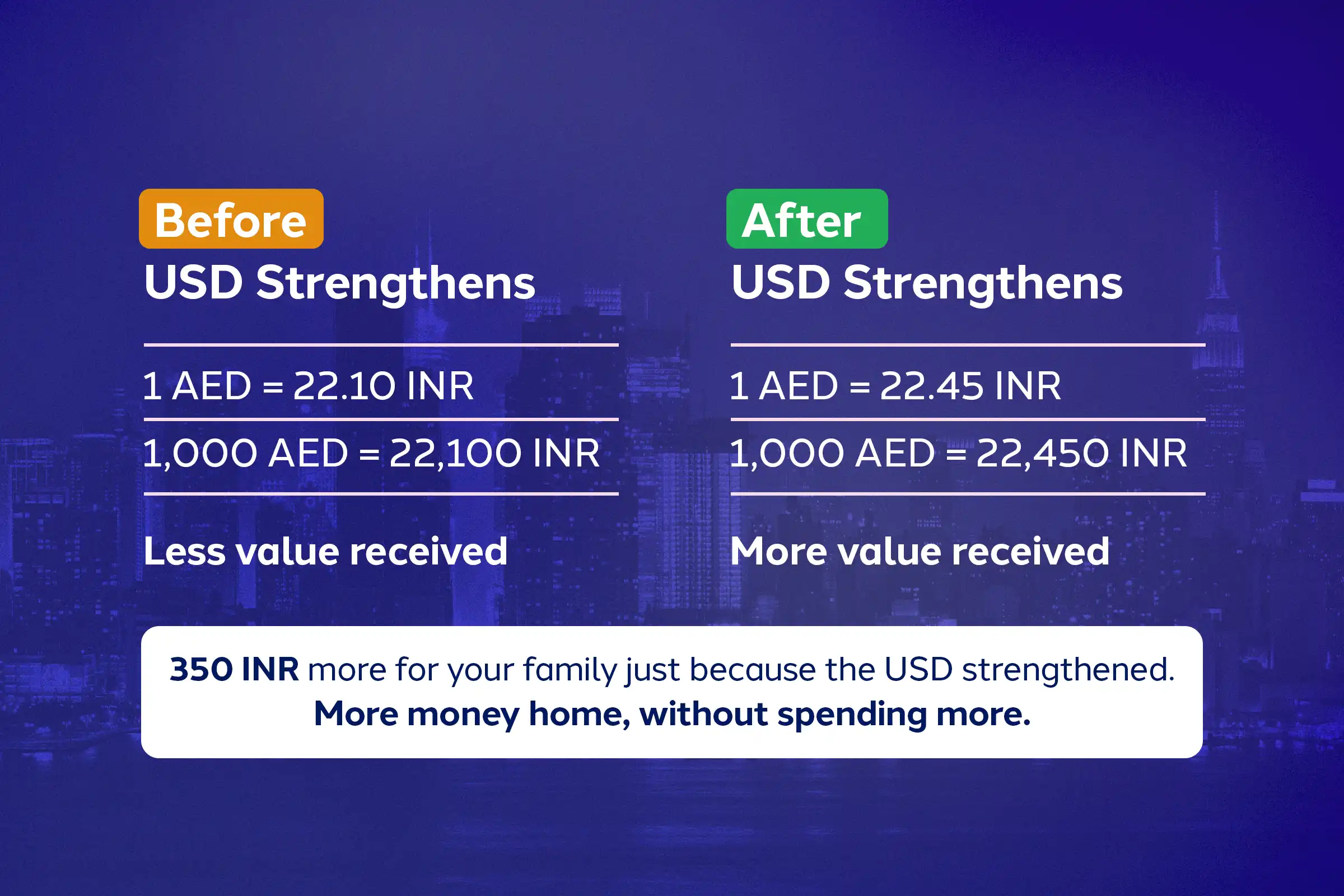
USD dominance example

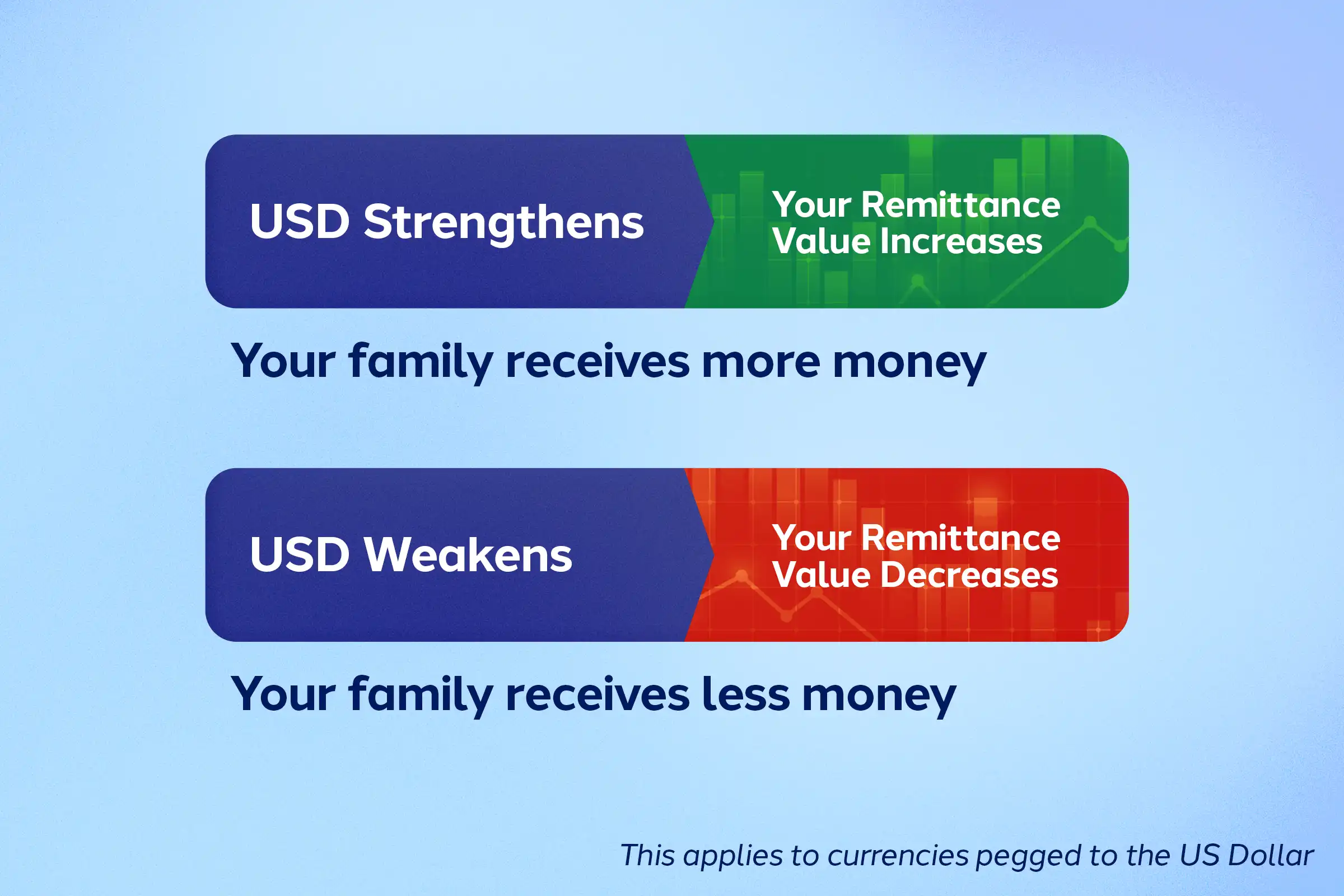
So, here’s how remittance value get affected as USD strengthens or weakens:
USD-Remittance relation

A stronger USD means expats can send more money home without spending extra.

Find out the best time to send money from the UAE to India!

Can BRICS Reduce the World’s Dependence on the US Dollar?

To reduce the dependence on the US dollar, especially in energy and commodity trade, BRICS (Brazil, Russia, India, China and South Africa) started to actively explore alternatives to the US Dollar. This includes settling trade in local currencies and also introducing BRICS currency.

However, experts note that the US dollar continues to dominate due to its deep liquidity, established financial infrastructure and widespread global usage. From central bank reserves to international payments and commodity pricing, the USD still anchors the global financial system.

In short: BRICS may gradually reduce reliance on the dollar, but the USD’s dominance remains secure for the foreseeable future.

Frequently Asked Questions

Will USD affect the remittance value?

Yes. When USD strengthens, it weakens most emerging market currencies often resulting in better conversion rates. This will be useful when sending AED, SAR, OMR, or KWD to countries like India, Pakistan, Sri Lanka, or the Philippines.

Why are global commodities priced in USD?

Because the USD offers stability, liquidity, and global trust. It is the easiest currency to use for standardising prices across countries.

What happens to exchange rates when the US raises interest rates?

With higher interest rates, there will be higher foreign investment into US markets. This strengthens USD and weakens other currencies improving the exchange rates for remitters.

What changes happen to other currencies with changes in US inflation?

High inflation in the US weakens the USD, while controlled inflation strengthens it and global currencies tend to react accordingly.

Are there any chances that the US dollar will lose its global dominance in the future?

While other currencies are rising in importance, no currency currently matches the USD in trust, liquidity, and global usage.
Best Time to Send Money From UAE to India

For millions of Indians living and working in the UAE, sending money home isn’t just a transaction but also an act of love. It pays for a child’s education, supports aging parents, funds dreams, or simply keeps a family connected across borders.

If you regularly send money to India, you already know that timing matters. A few days, even hours, can sometimes change how many rupees your loved ones receive. So, knowing the best time to send money can make every dirham count.

Let’s break down when and how to send money from the UAE to India to get the best possible value for every dirham.

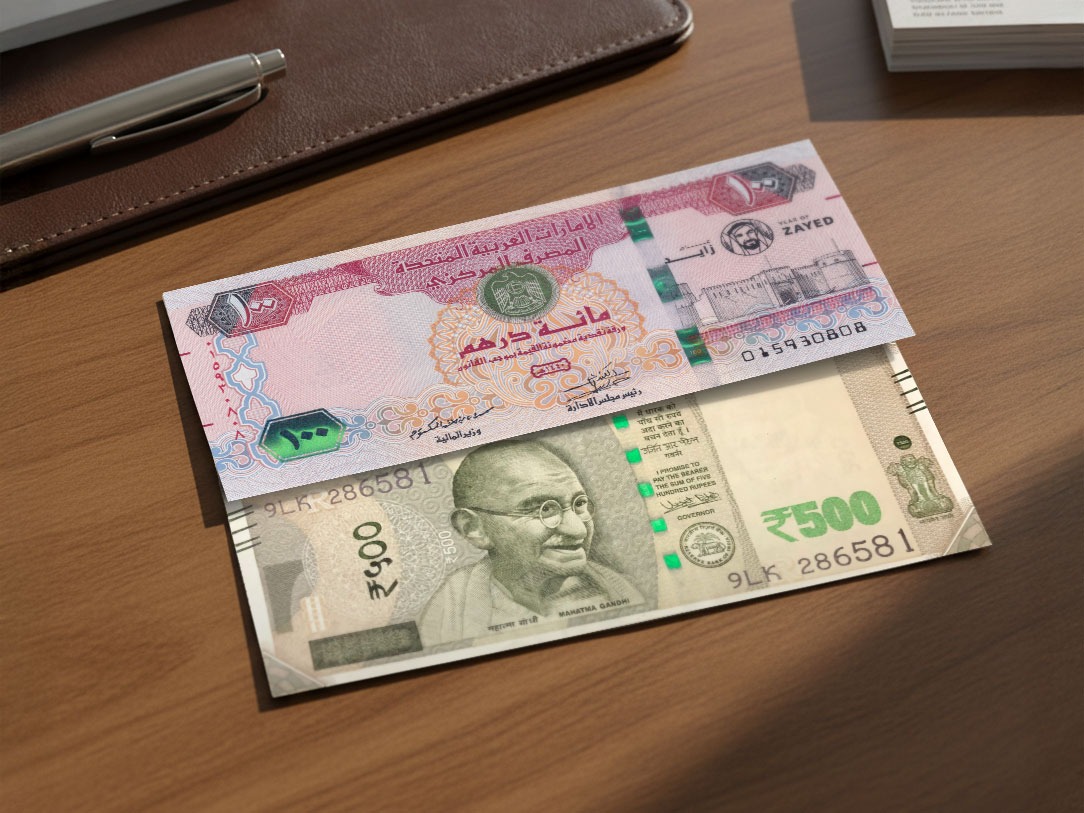
Dirham and Indian Rupee

Why Timing Matters

To help you understand why timing is important, let’s take an example.

At 1 AED = 23.8 INR, 15000 AED = 357000 INR

At 1 AED = 24.02 INR, 15000 AED = 360300 INR

That’s a difference of 3300 INR just from a 0.22 change in the exchange rate. Even a small fluctuation can make a big difference, especially if you send money frequently or in large amounts.

Now you can see why timing matters. So, let’s explore when it’s the best time to send money from the UAE to India.

What Affects the AED–INR Exchange Rate

Several factors influence how the AED–INR rate moves over time. Understanding them can help you plan your transfers better.

  • Oil Prices: As the UAE is a major oil exporter, strong oil prices often boost the dirham’s strength, giving you better exchange rates.
  • Interest Rates & Inflation: Higher inflation or lower interest rates in India can weaken the rupee, thus increasing the conversion value.
  • Trade Balance & Imports: India’s reliance on imports can put pressure on the rupee, especially when global prices rise. This can be advantageous when you send money to India.
  • Global Market Changes: Political changes, U.S. dollar trends, or economic data from major economies all affect how the rupee performs.

Get best exchange rates

Regularly keep an eye on these trends so that you can anticipate when your dirham will go further in India.

Want to know in detail why exchange rates keep changing? Read our article on exchange rates.

Best Time to Send Money From UAE to India

To send money at the best rates, it’s important to know when to send your money.. Based on market trends and expert insights, we have sorted for you most favorable times to transfer money from the UAE to India:

(i) Before Major Festive Seasons: During festival seasons, remittance volumes will be high, and exchange houses may raise transfer fees. For better rates, send money a week or two before festive demand peaks.

(ii) During Economic Calm: Stable oil prices, low inflation, and steady interest rates in both countries usually results in more consistent currency movement. Hence, you can confidently send money without fear of sudden rate drops.

(iii) In the Middle of the Month: Avoid sending money right after payday or at the end of the month when remittance activity peaks. Mid-month transfers typically offer more favorable rates and lower fees.

(iv) When Transfer Fees Are Low: Compare the transfer fees across different money transfer services and choose the one that offers the lowest fee hence increasing overall value.

(v) When INR Weakens: A weaker INR means you get more value per dirham. When the INR weakens due to global or domestic factors, UAE senders get more rupees per dirham, making it an ideal time to send.

Read and find out how AI Will Impact Money Transfer in the Future!

Historical AED–INR Exchange Rate Trends

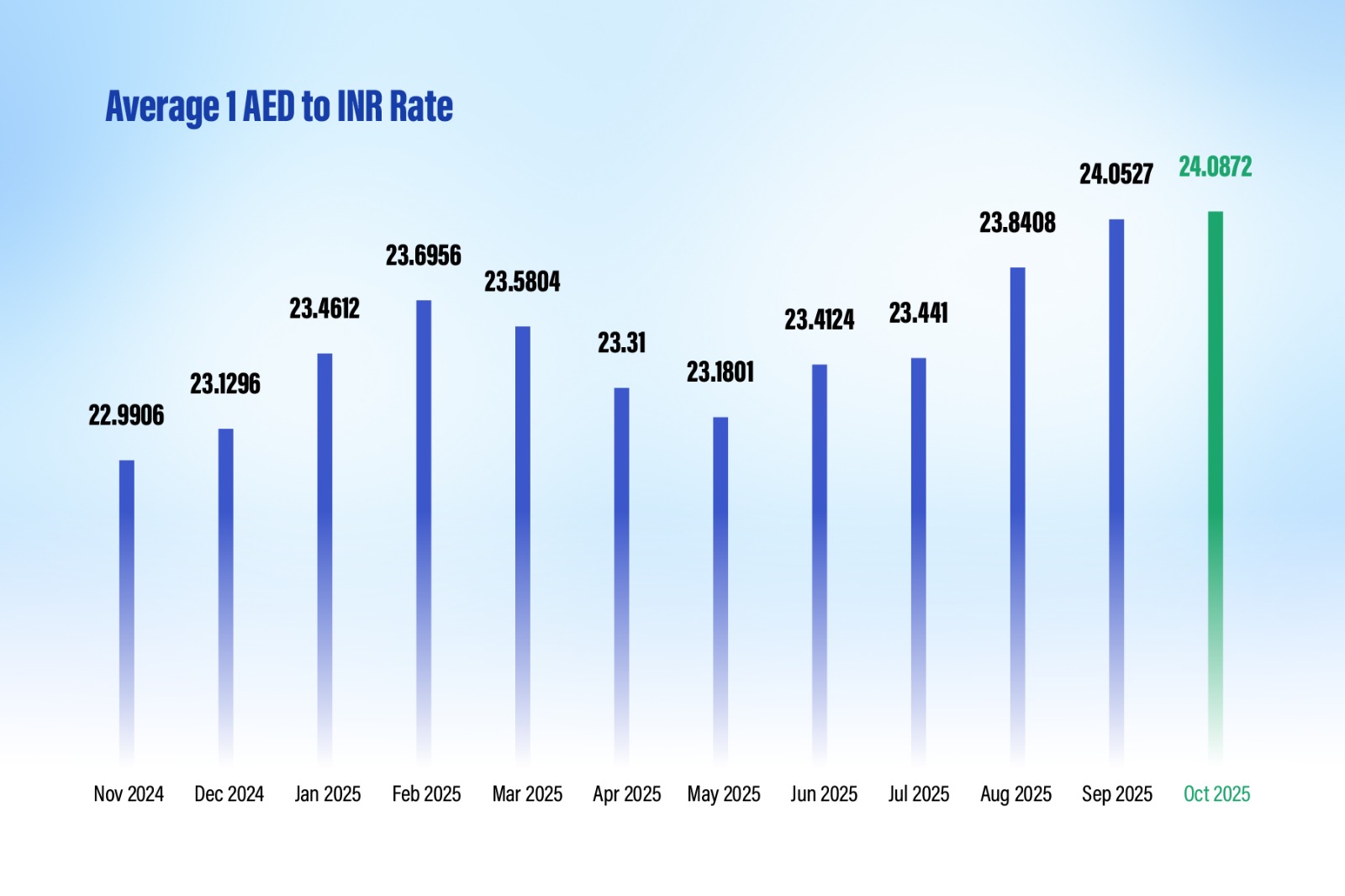
1 AED to INR Rate

The chart shows almost a steady rise in the AED to INR rate which is around INR 22.99 in November 2024 to INR 24.08 in October 2025. This indicates that the Indian rupee gradually weakened against the dirham, giving UAE senders more value per transfer over time.

Rates surged between December and February, dipped slightly around April–May, and peaked again from August to October, making these the best months to send money from the UAE to India.

However, these fluctuations vary each year, so it’s always wise to keep an eye on live exchange rates before making a transfer.

Send Money to India Now Using LuLu Money App!

Tips to Send Money at the Best Exchange Rates

If you follow a few simple habits, you can increase your chances of sending money at the best AED to INR rates. Here’s how:

Use Rate Alerts

Apps like LuLu Money offer rate alert features that notify you when the AED to INR exchange rate reaches your preferred value. This helps you time your transfer and lock in the best rates.

Plan Regular Transfers

Instead of sending a large amount in a single transfer, split it into smaller ones. Try sending one part early and the other mid-month. It helps average out any rate fluctuations.

Compare Before Sending

Always compare the live rates, service fees, and processing times across different platforms. Apps and exchange houses often offer better rates than traditional banks.

Choose a Reliable Channel

Always use licensed and secure remittance providers. With LuLu Money, you can send directly to any Indian bank account with live rates, quick processing, and peace of mind.

Here are the reasons as to why AED is pegged to USD!

Frequently Asked Questions

Is it cheaper to send money during weekdays or weekends?

Weekdays usually offer slightly better rates since global forex markets are open. Weekends may reflect Friday’s closing rates. For the best rates, check just before market closure (especially on Thursday evening UAE time).

How do global oil prices affect AED to INR exchange rates?

When oil prices are strong, the UAE’s currency remains stable or slightly stronger thus giving senders more value per dirham during transfers to India.

Can minor changes in exchange rates really make a difference?

Absolutely. Even a 0.20 change in the AED to INR rate can mean hundreds or thousands of extra rupees on larger transfers. Always check the latest rate before sending money.

Is it better to transfer money in one go or in smaller amounts?

If rates are favourable, send in one go for a better value. When rates are uncertain, splitting transfers can help you average out the rate.

What should I do if the exchange rate is low but I need to send money urgently?

In such cases, focus on reliability over rate. Using trusted platforms like LuLu Money ensures your funds reach safely and quickly, while frequent users can enjoy loyalty rewards and future high-rate windows.

How to Identify Fake Money Transfer Scams

Sending money to loved ones abroad is a gesture of trust. Unfortunately, scammers often exploit this trust by creating fake money transfer schemes that promise quick or cheap services but end up stealing your hard-earned money. Knowing the warning signs can help you stay protected and ensure your money reaches safely where it is meant to.

Common Red Flags to Watch Out For

  • Too Good to Be True Offers – If someone claims they can send your money instantly with very low or “zero” fees through unofficial channels, it’s usually a scam. Always check the authenticity of the provider.
  • No Receipts or Documentation – Legitimate transfers always come with receipts and transaction numbers. Fraudsters avoid giving proof.
  • Social Media Deals – Be cautious of individuals advertising money transfers through WhatsApp, Facebook or Instagram. These are not licensed services.
  • Urgency and Pressure – Scammers often push you to proceed fast, making you believe you’ll lose a “special rate” if you don’t pay immediately. Instead of offering the best rates, scammers may create urgency or pressure like claiming you’ve won a lottery and must pay a fee to claim your prize.
  • Unverified Accounts – Transferring money into personal accounts instead of company accounts is a major red flag and never send money to people you don’t know.

Why Licensed Exchange Houses Are Safer

Licensed exchange houses like LuLu Exchange operate under the strict regulations of the Central Bank of the UAE. This means every transaction follows international compliance standards, ensuring transparency, security and accountability.

Unlike unauthorised channels, exchange houses:

  • Provide Receipts: Every transaction is officially documented.
  • Use Secure Systems: Your money is transferred through trusted banking and financial networks.
  • Offer Consumer Protection: If something goes wrong, you have legal rights and official support.
  • Ensure Fair Rates: Rates and fees are clearly displayed and regulated with no hidden charges.

The Smarter Way to Send Money

While scammers may lure you with tempting offers, the risk of losing your money is far greater. Licensed exchange houses protect your funds while providing security. When it comes to remittances, always choose trust over shortcuts.

Your money is your hard work, protect it by staying smart and sending money via regulated, reliable & reputable channels.

WPS in UAE: Everything Employers and Employees Should Know

When it’s salary day, people around the world will be eagerly waiting for that one thing: their money arriving on time without any discrepancies. In the UAE, to give extra assurance that their salaries are paid on time, the Wage Protection System (WPS) was introduced.

So, what is WPS in UAE, why was it introduced, and how does it impact both employers and employees? Let’s take a closer look.

What is WPS in UAE?

Wage Protection System or WPS in UAE is the electronic salary transfer system developed to ensure that the employees receive their salaries on time. The system was introduced in July 2009 by the UAE Central Bank and the Ministry of Human Resources and Emiratisation (MOHRE).

Woman receiving salary

Why was WPS Introduced?

WPS was introduced in response to multiple reports regarding delayed or missing salaries. This was a common concern for expats who send money home. Even a minor delay in wage payments can result in unpaid rent, missed bills, or hardship for families abroad.

So, the UAE government introduced WPS to:

  • Ensure timely wage payments.
  • Create a traceable record of salary transfers.
  • Prevent disputes between employers and employees.
  • Enforce accountability on companies.
  • Enhance trust in the labour market.

For businesses who seek to simplify payroll and ensure WPS compliance, explore LuLu Exchange’s Wage & Salary Administrator services!

How Does WPS Work?

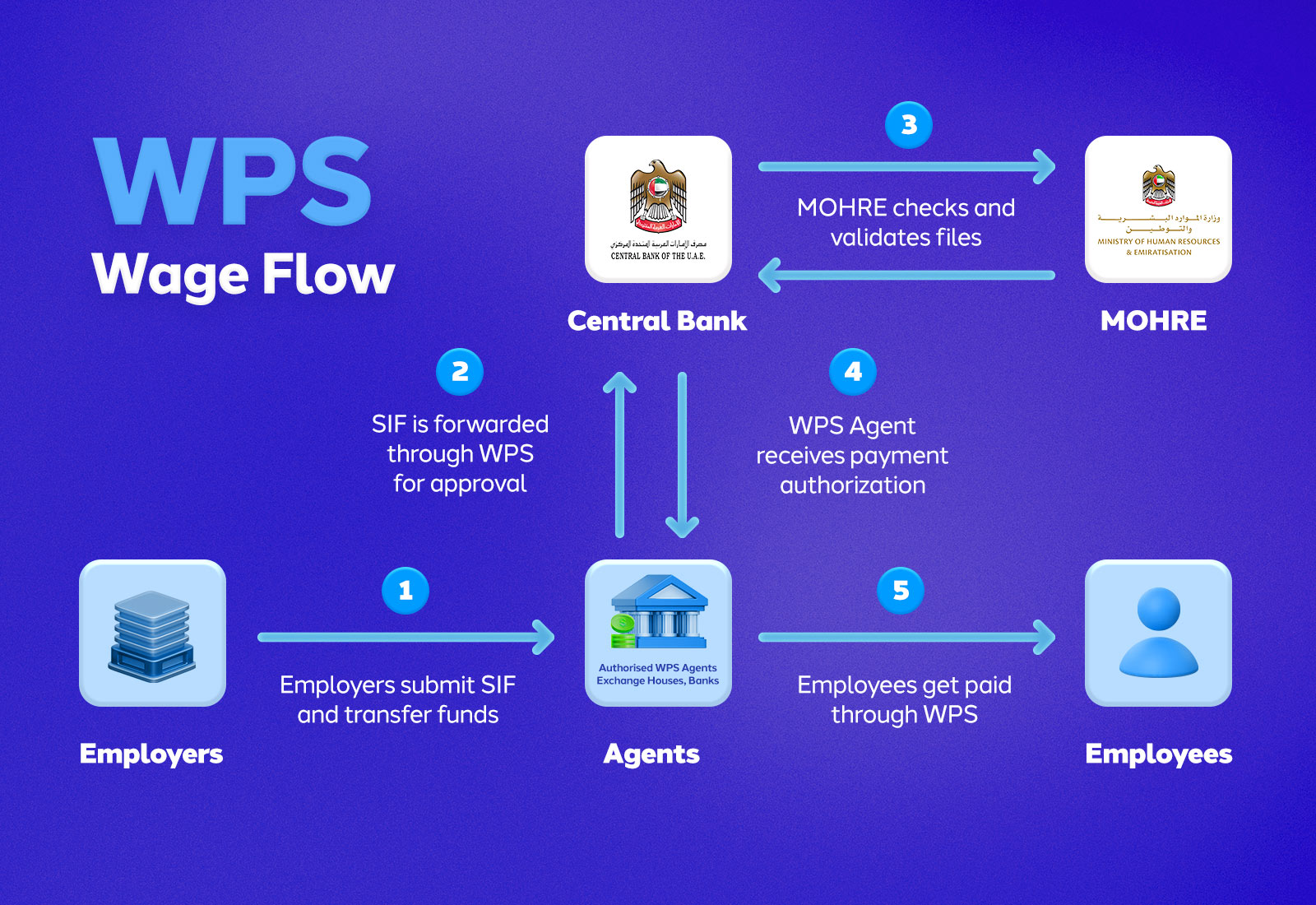
The infographic below shows how wages flow through the WPS system.

WPS in UAE - Payment of wages through WPS

Now, let’s find out how the Wage Protection System works in the UAE. Here’s a step-by-step process:

  • WPS Registration: Employers must first register with WPS through a UAE bank or with a WPS-approved financial institution.
  • Timely Submission of Salary Information: Next, it’s the duty of the employer to submit the Salary Information File (SIF) of the employee through the WPS platform.
  • Salary Disbursement: Once the information provided is verified by the Central Bank & MOHRE, the bank issues a payment order through WPS and notifies the employer. Salaries will then be sent to the employee’s bank account via WPS, with email alerts sent if corrections are required.
  • Monitoring & Compliance: The WPS system ensures that the payment is properly processed and received by the employee. In case of any delays, discrepancies, or payment failures, the employer must resolve the issue and resubmit.

Who Is Included and Who Is Exempt from WPS?

All private sector companies registered with MOHRE are included under WPS.

Those who are exempted from WPS are:

  • Employees who have filed a wage-related labour complaint.
  • Employees who are officially reported absent as per the ‘work abandonment’ report.
  • UAE-national employers who own fishing boats and public taxis.
  • Banks and houses of worship.
  • New employees in their first 30 days.
  • Employees who are on unpaid leave.

If you’ve received your salary on time, you can send money to your loved ones through the LuLu Money App!

How to Register for WPS?

Here’s how you, as an employer, should register for WPS:

  • Register with MOHRE (Ministry of Human Resources and Emiratisation).
  • Open a Corporate Bank Account with a bank that supports WPS.
  • Select an authorised WPS agent approved by the UAE Central Bank.
  • Sign an agreement with the chosen WPS provider.
  • Prepare a Salary Information File (SIF) in the required format and upload it through your bank or the WPS system.
  • Transfer salaries to employees’ accounts via WPS as per the due dates in their contracts.
  • MOHRE and the bank will review the transfers and confirm compliance.

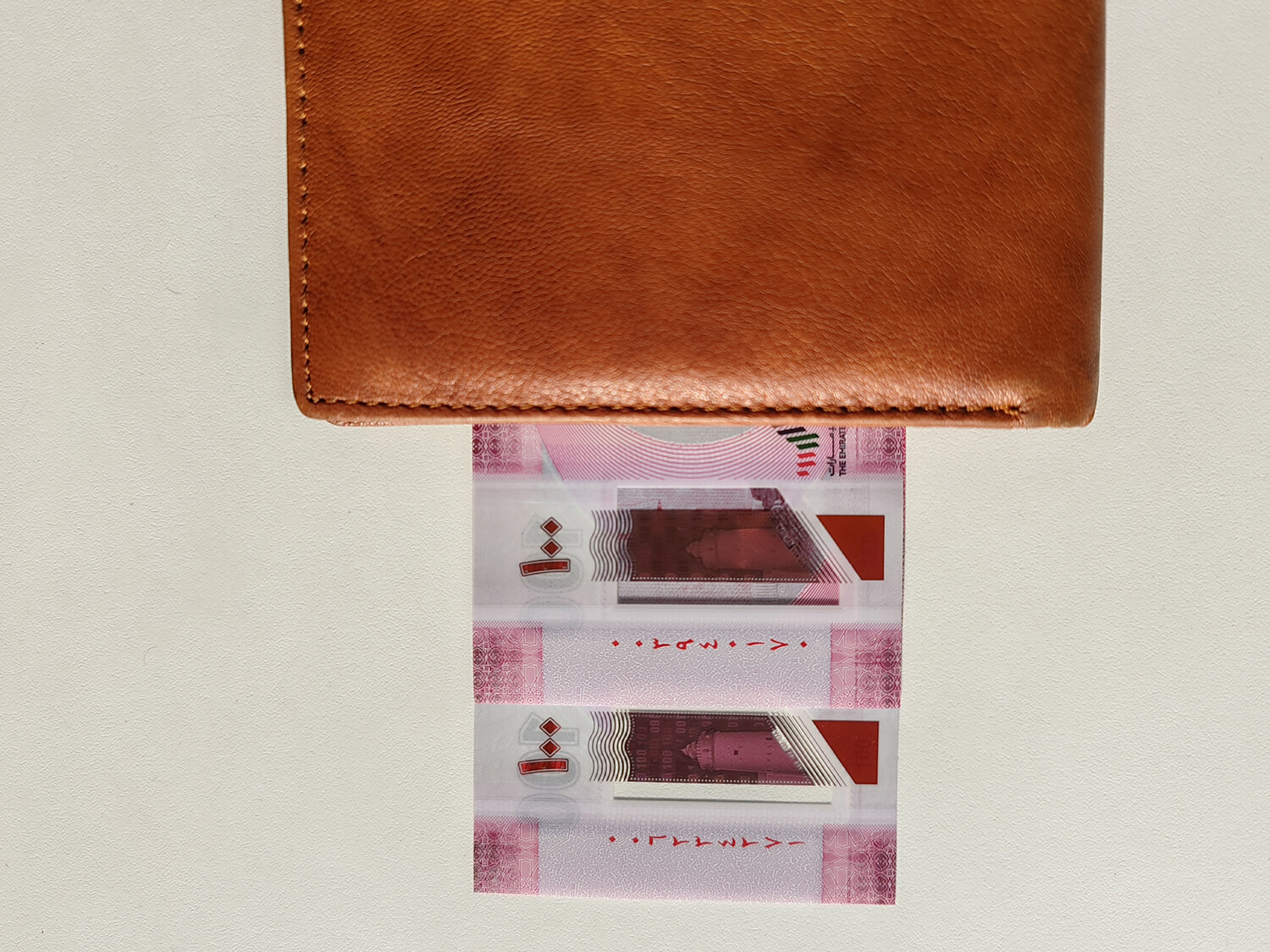
Hundred Dirhams Currency Notes in Wallet

Penalties for Late or Non-Payment of Salaries

Here are the penalties for late or non-payment of salaries:

  • On salary due date: All establishments will be monitored electronically for timely payments.
  • 3–10 days late: Reminders will be sent to employers.
  • 17 days late: Work permit issuance will be suspended for all its establishments; larger companies (50+ employees) may face inspections and get warnings.
  • 45 days late (50+ employees): Legal action will be initiated by authorities.
  • Repeated violations within 6 months: Fines will be applied and establishments will be reclassified under stricter regulations.

Also Read: How AI Will Impact Money Transfer in the Future

Frequently Asked Questions

Is WPS in UAE only for UAE nationals?

No. WPS in UAE applies to all private-sector employees including the UAE nationals working under the UAE labour law (with certain exemptions).

Which sectors fall under WPS?

The Wage Protection System (WPS) applies to the private-sector companies across all sectors.

Does WPS cover allowances, overtime, deductions?

Yes. The SIF file must include basic wages, allowances, and legally permissible deductions so that net salary is correct.

What should I do if my employer doesn’t use WPS?

If your employer doesn’t use WPS, you can file a complaint with MOHRE/LRA with proper evidence.

Is WPS applicable for part-time employees?

Yes, WPS is applicable for both part-time and full-time employees.

Are there any penalties for late or non-payment of salaries?

Yes. Penalties will depend on how late the payment is and may include fines, suspension of services, or legal action against the employer.

The Ripple Effect: When Everyday Choices Echo Far & Wide

We often think that change requires grand gestures but the truth is that small, consistent actions can transform the world around us. Every choice we make, what we buy, how we use resources and even how we manage our finances creates ripples that extend far beyond our individual lives.

Take a simple example: choosing to carry a reusable shopping bag. On its own, it seems minor. But when thousands of people make the same choice, it significantly reduces plastic waste and encourages retailers to rethink their packaging. Similarly, being mindful about reducing food waste at home saves money while helping cut down on greenhouse gas emissions from landfills. These choices, though small, contribute to healthier communities and a more sustainable planet.

The same principle applies to financial decisions. How we save, spend and protect our money directly influences our own future while setting a tone for others around us.

Smarter Saving Habits

Building a habit of saving, even if it’s just a small amount each week, creates financial security and peace. Over time, these savings can grow into an emergency fund or investments for long-term goals. Just like carrying that reusable bag, small deposits done consistently can make a big impact.

Staying Scam-Safe

One careless click in today’s digital world can lead to serious losses. Being cautious about sharing personal information, double-checking suspicious messages and only using trusted financial apps or institutions helps protect us from scams. When we practice safe financial habits, we encourage others to do the same. It creates a ripple effect of awareness and safety.

The ripple effect becomes even stronger when these habits inspire others. A colleague sees you setting up a savings goal and decides to start one too. A family member watches you avoid a suspicious investment scheme and becomes more alert themselves. Slowly, communities shift toward safer, more responsible financial behaviour.

The beauty of the ripple effect is its simplicity. You don’t need to be a policymaker, activist or entrepreneur to make a difference. Be it carrying a reusable bag or setting up auto-savings. Positive change is built step by step through mindful choices.

It’s never too late to start!. But start small today! Save a little each week, stay alert against scams, go digital with your finances and spend consciously. Remember, your everyday actions can spark ripples that shape a more sustainable, financially secure, compassionate and connected future for generations to come.

How AI Will Impact Money Transfer in the Future

Just think back 5 or 10 years. Sending money across borders often meant waiting days or even weeks for it to reach your loved ones. Today, those same transfers reach them in seconds.

Whether it’s a father supporting his family, a student paying tuition abroad, or a business settling accounts overseas, remittances have become faster and more reliable than ever.

Artificial Intelligence (AI) is now rewriting the next chapter. Just as smartphones transformed the way we communicate, AI is transforming the way money moves across borders, making transfers faster, safer, and more human.

If you are staying abroad and need to check the live exchange rates, check them now before we get into the details.

Now, let’s explore how AI will shape the future of payments.

The Current Role of AI in Payments

Before finding out the future impact of AI in payments, let’s first look at how it’s already transforming the payment industry today:

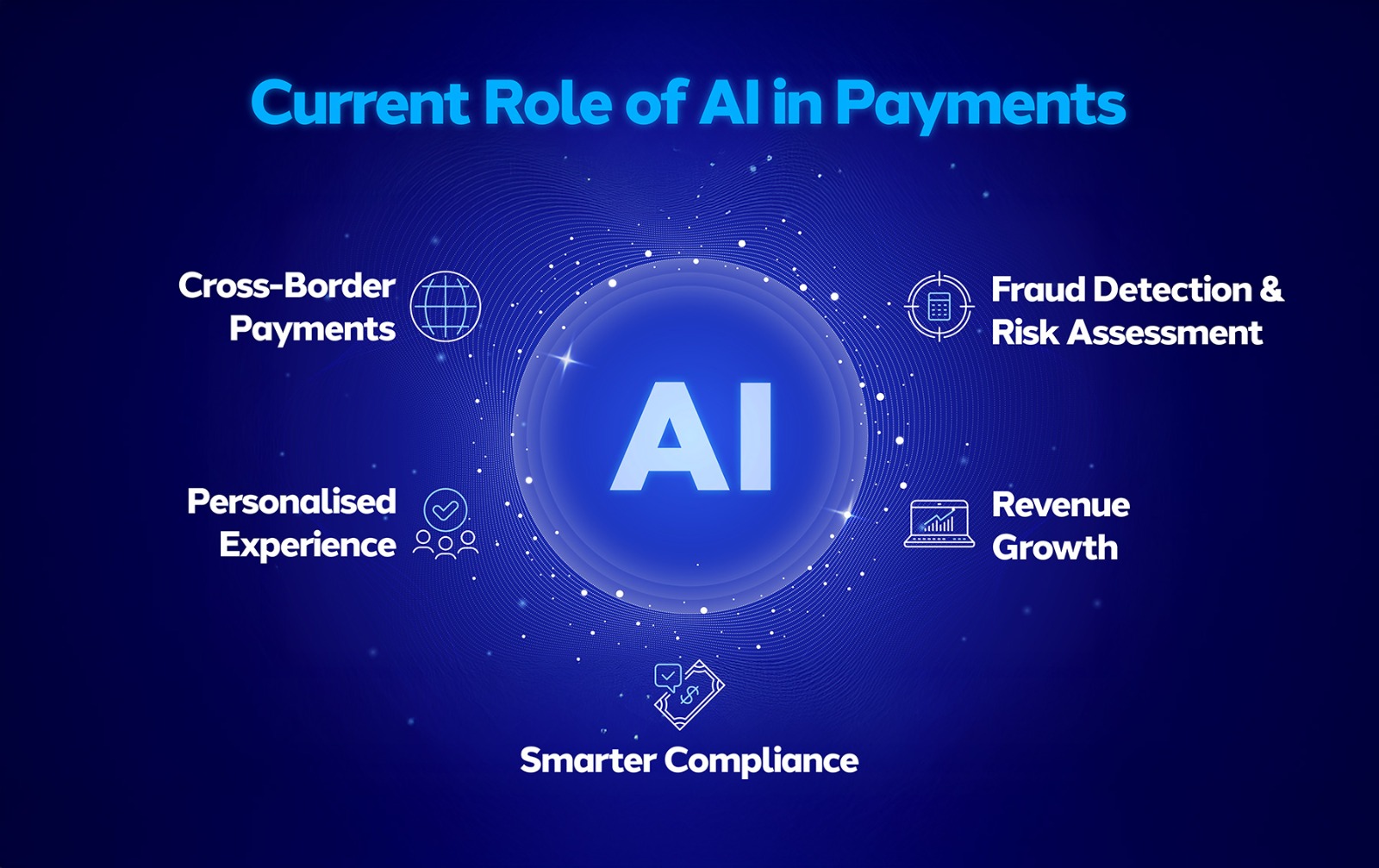
  • Fraud detection & risk assessment: AI tracks transaction velocity, device fingerprints, unusual location/IP jumps to detect suspicious activity.
  • Revenue growth: The finance/payment industry multiplied their total revenue by leveraging AI-powered insights and efficiencies.
  • Smarter compliance: AI streamlines KYC and AML checks by automating tasks like document scanning with OCR, identity verification, and cross-checking against sanction lists.

Current Role of AI in payments

  • Personalised experience: AI makes customer experience more personalised by making use of chatbots, payment suggestions, smoother UIs, voice-enabled interfaces.
  • Optimised cross-border payments: AI helps to reduce costs, improve exchange rates, speed-up transfers, and choose optimal routing.

Find out the significance of SWIFT code in cross-border payments!

How Will AI Shape the Future of Money Transfer?

From what we see today, AI’s huge potential to redefine the money transfers is evident. Here’s how AI is likely to impact payments in the coming years:

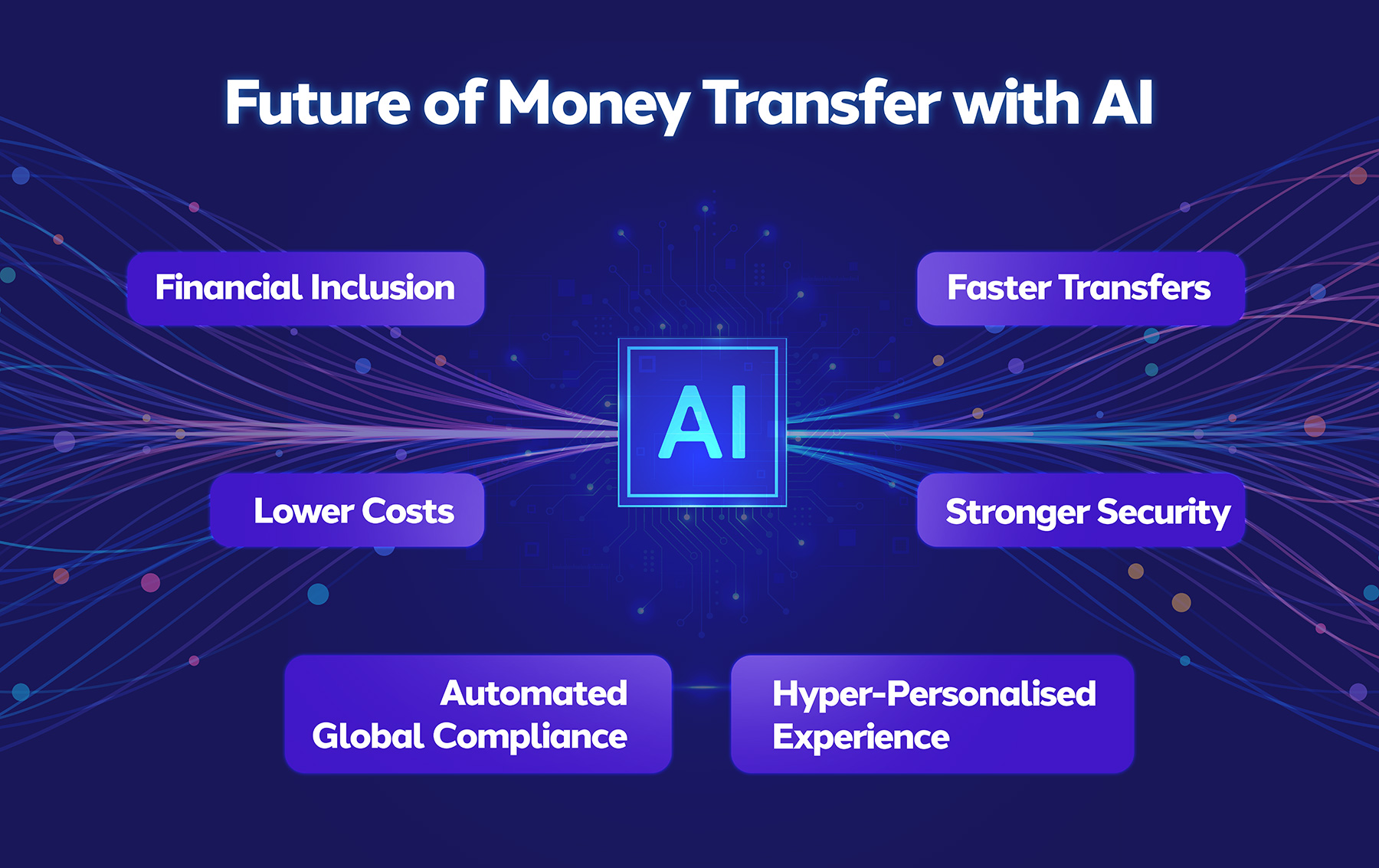
Faster Transfers

Traditional transfers which involved multiple steps and waiting times are now much faster with AI. With instant data analysis and intelligent routing systems, your money reaches loved ones much faster, with speeds set to improve further.

Hyper-Personalised Experience

AI will act as a financial assistant in your pocket by suggesting the best transfer times, predicting your needs, and simplifying every transaction. In this way, it will make every transaction more personal, convenient, and stress-free.

Stronger Security

AI has the ability to detect unusual/fraudulent behaviors in real time whether it’s a login attempt from an unknown device or an unusually high transfer amount.

Risk models are evolving to become even more sophisticated, while counter-AI systems are emerging to deal with fraudsters using AI themselves. As a result, users will be more confidence about the safety of their money.

Future of Money Transfer with AI

Automated Global Compliance

AI will evolve to manage compliance seamlessly across borders. It will handle complex regulations, monitor transactions in real time, and predict risks before they occur. In this way, there will be less delays and smoother, more secure international transfers.

Lower Costs

AI doesn’t just make things faster; it makes them cheaper. By automating manual processes and reducing human error, AI helps financial providers cut operational costs, thus letting users pay lower fees, making remittances more affordable for millions.

Customers will see even more transparent, possibly lower, fees in the future.

Send money home using LuLu Money App. Let your love reach home instantly!

Financial Inclusion

Perhaps the most exciting impact of AI is its ability to bring more people into the financial system. By analysing alternative data (like mobile usage or payment history), AI will help assess creditworthiness for people without a traditional banking footprint.

Thus AI will offer safe and affordable transfer services to more migrants, workers, and families, without giving anyone a feeling of being left out of the system.

In short, AI will handle the complexities, so people can focus on what matters most: supporting dreams, staying connected, and building better futures.

What Are the Challenges and Risks of Using AI in the Payment Industry?

Let’s examine the day-to-day challenges and macro-level risks.

Day-to-Day Challenges:

  • Different rules in each country make automation tricky.
  • Risk of wrongly flagging genuine transfers as fraud.
  • Challenge to strictly follow strong data protection and privacy rules.
  • Absence of proper infrastructure in certain recipient countries to support AI.
  • High integration costs and need for skilled people to maintain AI systems.

AI in payments

Macro Level Risks:

  • Potential risks of faster spread of financial shocks (IMF) if many financial organisations use similar AI models.
  • Regulators are closely watching how AI is used in fraud checks, money laundering, and cross-border transfers.
  • Global payment systems may face new pressures during crises; AI can help predict risks but may also create new weak points.

Have a look at the currency symbols in the world!

Preparing for the Future of Cross-Border Payments

AI is already here. Those who prepare early will win trust and be competitive. Here’s how:

  • Start small: Use AI for fraud checks, KYC, or exchange rates in low-risk corridors before scaling.
  • Use better data: A model is only as good as the data it learns from. So, use clean, diverse data and respect privacy.
  • Focus on user transparency: When the system makes a decision such as delaying or flagging a transaction, or adjusting costs, users should know why. This builds trust.
  • Think inclusion: Build AI that works even for people with weak internet, basic phones, or limited documents.
  • Work with regulators: Stay ahead of evolving rules on AI, data privacy, and cross-border compliance to ensure long-term stability.
  • Maintain human oversight: Even with advanced algorithms, human review of edge cases and escalations is important.

Impact of AI in money transfer

Also Read: What is WPS in UAE?

A Future Scenario

Picture this: You are in Dubai, sending money every month to your elderly parents in the Philippines. If we assume the future scenario, AI could make it look like this:

You open your app, and AI suggests the best time of that day to send money at the lowest fee and best exchange rate.

You scan your ID via the app; AI verifies identity within minutes with OCR + biometric checks.

Payment successful message on phone display

Your money goes via the optimal routing path, passing through fewer intermediaries, at lower cost.

If delays are expected, you’re alerted and given a choice to proceed or wait.

If there are no delays, your money gets delivered instantly to your parents.

Small, but powerful improvements like these multiply across thousands of users to make the system smoother, cheaper, and more human.

Conclusion

AI has already taken its place in the payment industry becoming the backbone of safer, faster, cheaper, and more inclusive remittances. While technology alone won’t solve every problem, the opportunities are huge.
For providers who embrace AI thoughtfully will build greater trust and loyalty. For users, it means transfers won’t just move money, but will also carry care and connection with far less friction.

Frequently Asked Questions

How will AI change the future of banking?

AI will make banking faster, safer, and more personalised with instant KYC, fraud alerts, and tailored financial advice.
How will AI impact remittances?

It will simplify sending money across borders with instant ID checks, better exchange rates, and fewer delays for families worldwide.

Is AI a threat to banking?

If managed properly, AI won’t be a threat to banking. The real threat comes from poor oversight, biased models, or weak data governance.

Will AI replace humans in the banking sector?

No. AI will handle routine checks and speed up processes, but human oversight will still be key for trust, fairness, and complex cases.

What is IBAN Number? How to Find & Use IBAN

In today’s interconnected world, sending money across borders demands precision. Even a small error can result in delays or failed transactions. That’s where IBAN, or International Bank Account Number, comes in.

But what exactly is IBAN, and why is it so important? In this article, we’ll break it down so you know how IBAN ensures your money reaches the right account, safely and on time.

What is IBAN Number?

IBAN or International Bank Account Number, as the name suggests, is a bank account number identified by banks and financial institutions around the world during cross-border/domestic payments.

It was initially adopted by the ECBS (European Committee for Banking Standards) and, since 1997, has been established as an international standard under ISO 13616-1:2007.

When a SWIFT code identifies the recipient bank, IBAN identifies the recipient account inside that bank. Certain countries mandate the use of IBAN, so you will need it when you make international payments to those countries.

Have a look at the strongest currencies in the world!

What Is the Standard IBAN Structure?

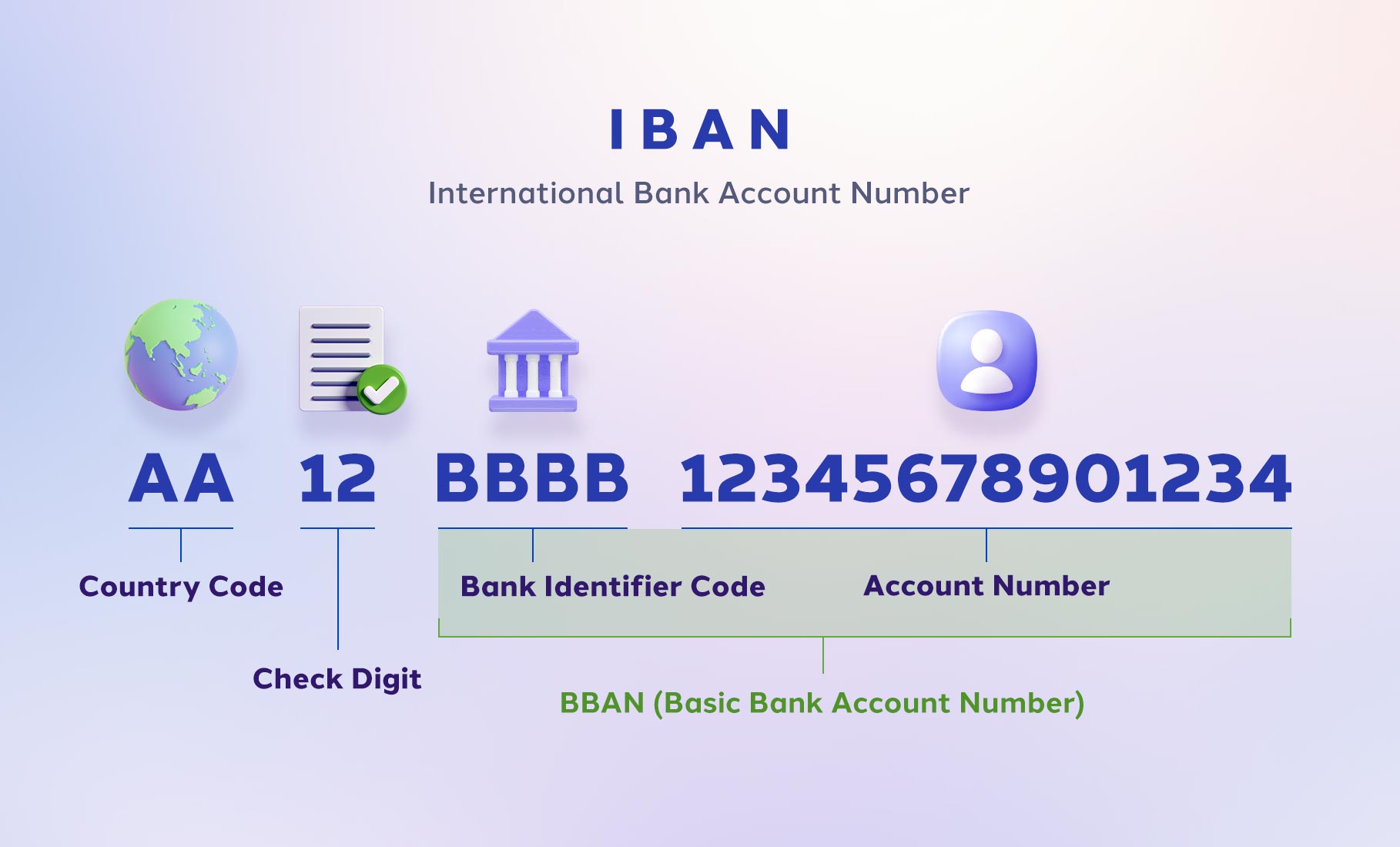
IBAN consists of alphanumeric characters and its length varies depending on the country. It can be anywhere from 15 to 34 characters long.

When it comes to UAE IBAN numbers, they start with AE and consist of 23 alphanumeric characters. The infographic given below represents a standard IBAN format:

Standard IBAN format

Here’s what the UAE IBAN Number – AE47 0331 2345 6789 0123 456 represents:

  • AE – ISO Country code (UAE)
  • 47 – Check digits for validating the IBAN
  • 0331 2345 6789 0123 456 – BBAN (Basic Bank Account Number)

BBAN will have a fixed length per country. In the UAE, the first 3 digits in the BBAN represent the bank code to identify the bank and the next 16 characters represent the customer account number.

How to Find & Use IBAN

If you want to find your IBAN number, just log in to your online banking dashboard or check your bank statement. While doing international transfers, simply provide your IBAN along with the SWIFT code. This ensures your money is sent quickly, securely, and without errors.

Download the LuLu Money App and send money across borders. 

Why is an IBAN Number Important?

You know that a SWIFT code will help to ensure that your money reaches the right bank, right? Then what is the importance of IBAN? Let’s see.

Here’s why IBAN is important.

  • Reduce errors – With IBAN, cash transfers will be error-free.
  • Saving time – With minimal dependency on manual interpretation and validation of account details, international payments will be quicker.
  • Secure – Before every transaction, each character will be validated to avoid errors, thus ensuring security.

Concept of IBAN Number

What Happens If You Enter a Wrong IBAN Number?

Just imagine that you have sent a parcel and mentioned the wrong house number. What will happen? It will get delivered to the wrong destination, right? Similarly, if you’ve entered an incorrect IBAN, there are chances that it gets delivered to the wrong account.

But, in most cases, the system catches the error and your payment will bounce back. But if the IBAN is valid and actually belongs to another account, there are greater chances for the money to get deposited in that account. In such rare cases, it will be extremely difficult to recover the funds.

Hence, just as you double-check your SWIFT code, you should also verify your IBAN before confirming a transfer.

Have a look at the world currency symbols!

Frequently Asked Questions

Who can issue an IBAN?

The account-servicing financial institution has the right to issue an IBAN.

Is IBAN required for domestic transfers?

Yes, in certain countries like UAE, IBAN is required for international and domestic transfers.

Is IBAN a new account number?

No, IBAN is not a new account number. It is just an electronically-recognisable ISO standard format of your existing account number.

Is IBAN the same as SWIFT?

No, IBAN is required to identify the exact bank account while SWIFT is required to identify the bank. You will need both IBAN and SWIFT for cross-border payments.

Does every country use IBAN?

No, not all countries use IBAN. It is standard in Europe, the Middle East, and several other regions. Countries like the United States and Canada, however, use different systems.

What Is a SWIFT Code and Why Do You Need It?

Imagine you’re in the UAE, ready to send money to your family in Europe. Just when you think you’re done filling in all the details, you’re asked for something called a SWIFT code. If you’re hearing about it for the first time, questions start popping up: What is a SWIFT code? Where do I find it?

To answer this, we’ve broken down for you what a SWIFT code is, why it’s important, and how it makes your international transfers smooth and secure.

What Is a SWIFT Code?

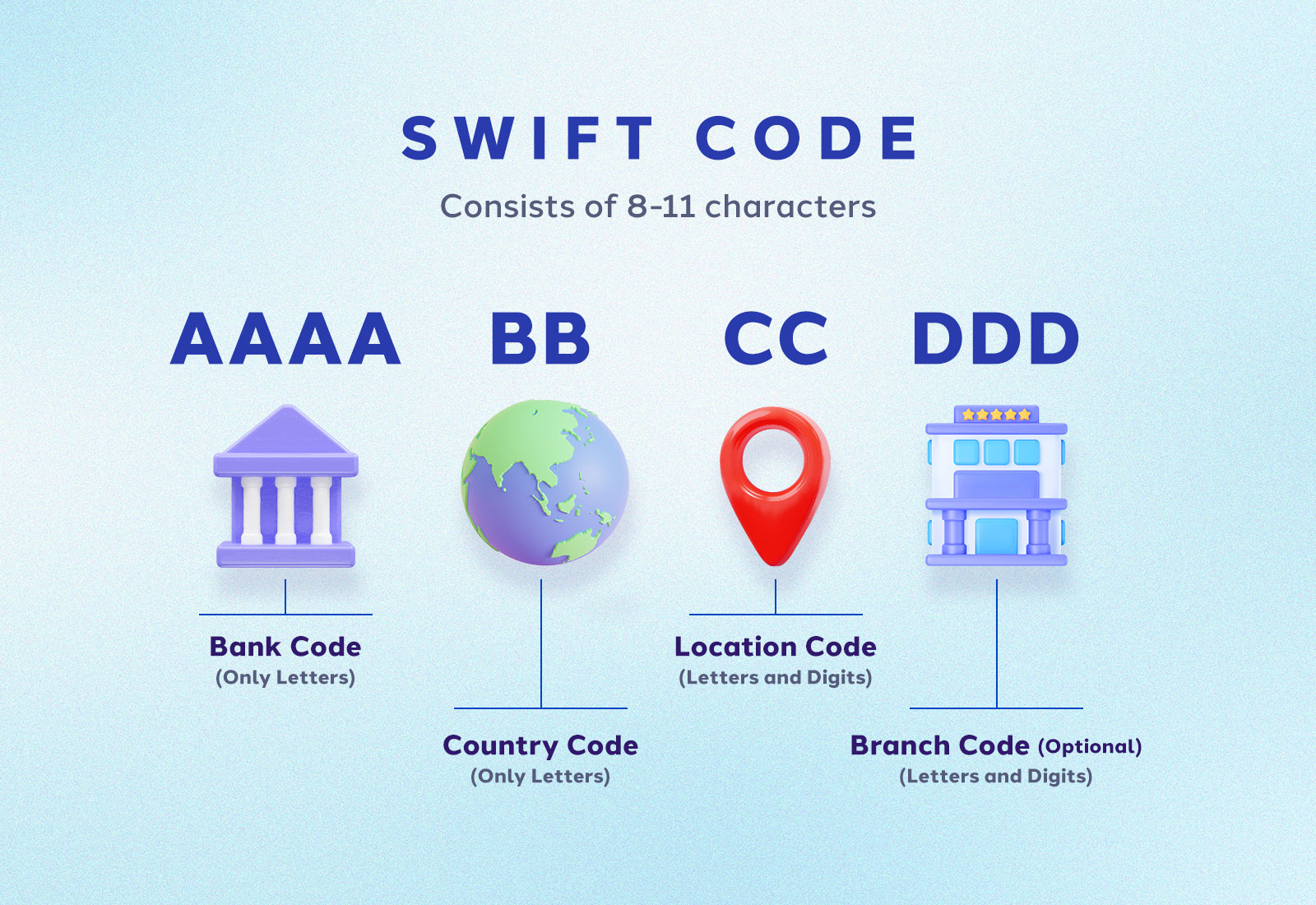
A SWIFT code, also known as BIC (Bank Identifier Code) is an 8 to 11 character code used for routing international payments to the correct bank. It acts like an international postal address for banks. Just as your home address ensures your mail reaches your home, SWIFT code ensures your money reaches the correct bank.

What does SWIFT code represent

Here’s what the 8 to 11 character code represent:

  • First four characters represent the bank code.
  • Fifth and sixth characters represent the country code.
  • Seventh and eighth characters represent the location code.
  • The last 3 digits represent the branch code and this is optional.

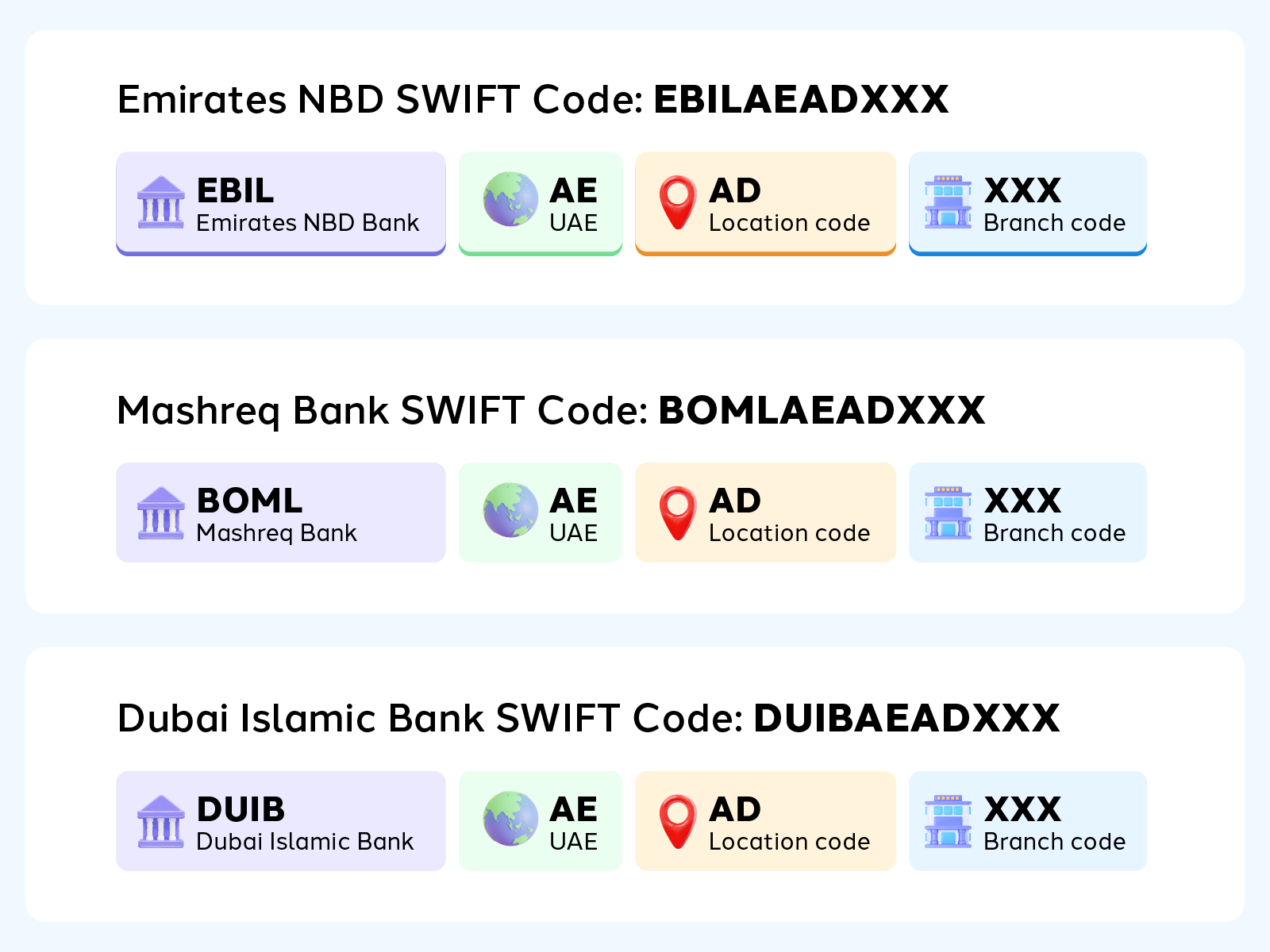
Here’s a simple breakdown of the Emirates NBD SWIFT Code, Mashreq Bank SWIFT Code, and Dubai Islamic Bank SWIFT Code for your reference:

Swift Code Table

Also Read: A journey through world’s currency symbols!

Why Do You Need a SWIFT Code?

While doing money transfers especially across borders, it is very important to ensure that it doesn’t get lost in the vast international banking network. Here comes the role of SWIFT codes. They act as the GPS coordinates for banks worldwide.

All international money transfers done without SWIFT codes could face delays, rejections, or even bounce back.

So, why is a SWIFT code important? Here are the key reasons:

  • Ensure money reaches the correct bank securely without much errors or delays.
  • Accepted by banks worldwide and makes global transfers faster and more reliable.
  • Provide transparency and tracking for cross-border payments.

If you know the right SWIFT code, make the most of your transfer by checking the live rates now!

What Will Happen if You Enter the Wrong SWIFT Code?

If you enter the wrong SWIFT code, your money transfer may be delayed, rejected, or even returned by the bank. In certain cases, it can take several business days for your money to be transferred back to your account.

SWIFT code concept

If the incorrect SWIFT code that you’ve entered belongs to another legitimate bank, your money might get deposited into the wrong account. Usually, this doesn’t happen because banks reject transfers when account details don’t match.

Additionally, for failed or recalled transactions, banks may charge extra fees. To avoid such situations, always double-check your SWIFT code before hitting “send”.

With the LuLu Money app, you don’t need to re-enter SWIFT codes every time. Just save them once and transfer with ease.

Frequently Asked Questions

How do I find my SWIFT code?

To find your bank’s SWIFT code, you can check the bank’s official website, your bank statement, your online banking account, or contact the branch directly.

Is a SWIFT code the same as an IFSC code?

No. A SWIFT code is used when you do cross-border transactions, while an IFSC code is used for the domestic transfers within India.

Is a SWIFT code mandatory for international transfer?

Yes, it’s using the SWIFT code, banks find out where to route your money. If it is missing or entered incorrectly, your transfer could face delays, rejections, or returns.

Is it safe to share my SWIFT code?

Yes, sharing your SWIFT code is safe and is necessary for international payments. It does not reveal your account number or allow anyone to access your funds.

Do I need both IBAN and SWIFT code for an international transfer?

Yes, you will need it in most cases. The SWIFT code tells you which bank the money is going to, and the IBAN shows the exact account within that bank.

World Currency Symbols, Explore All Country Currency Symbols

Whether you’re shopping online, sending money home, or checking exchange rates, you will always come across a currency symbol. These small signs might seem simple but they actually carry centuries of history, identity, and power. They are a visual shorthand for economies, cultures, and connections.

With millions of our LuLu Money customers sending and receiving money across dozens of countries every day, we are part of a world filled with these symbols. Let’s find some of the world’s most important currency symbols shaping global transactions.

What is a Currency Symbol?

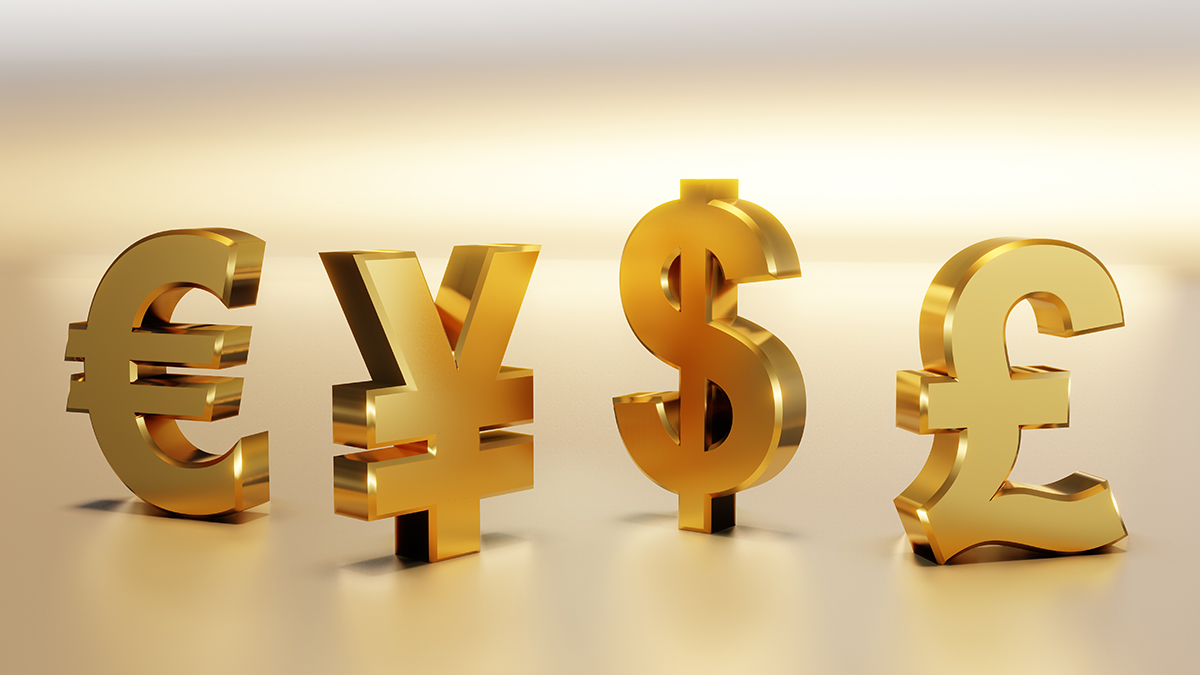
Before knowing about the world’s currency symbols, let’s first see what a currency symbol is. A currency symbol is a graphic sign used to represent the official currency of a country. For example, $ stands for the US Dollar, ¥ for both the Japanese Yen and Chinese Yuan, and ₹ for the Indian Rupee.

Virtual global currency symbols in hand

Here Are the World’s Currency Symbols

For better understanding, we’ve grouped currencies by their symbol families such as Dollar $, Pound £, Rupee ₹, and more. This way, you can find out which countries share the same currency roots.

The Dollar and Peso Family (̌$)

This group includes all currencies that use the dollar sign, either by itself or as part of a more specific symbol, making it one of the most commonly traded families in global exchange rates .

CountryCurrencySymbolCurrency Code
ArgentinaArgentine Peso$/ARSARS
AustraliaAustralian DollarA$AUD
BahamasBahamian DollarB$BSD
BarbadosBarbadian DollarBds$BBD
BelizeBelize DollarBZ$BZD
BrazilBrazilian RealR$BRL
BruneiBrunei DollarB$BND
CanadaCanadian Dollar$/C$/CA$CAD
Cape VerdeCape Verdean Escudo$CVE
ChileChilean Peso$/CLPCLP
ColombiaColombian Peso$/COPCOP
CubaCuban Peso$/CUPCUP
Dominican RepublicDominican PesoRD$DOP
EcuadorUS Dollar$USD
El SalvadorUS Dollar & BitcoinS/BUSD/BTC
FijiFijian DollarFJ$FJD
Hong KongHong Kong DollarHK$HKD
JamaicaJamaican DollarJ$JMD
LiberiaLiberian DollarL$LRD
MexicoMexican Peso$/MXNMXN
NamibiaNamibian DollarN$NAD
New ZealandNew Zealand DollarNZ$NZD
NicaraguaNicaraguan CórdobaC$NIO
SingaporeSingapore DollarS$SGD
Solomon IslandsSolomon Islands DollarSI$SBD
TongaTongan Pa’angaT$TOP
Trinidad & TobagoTrinidad and Tobago DollarTT$TTD
United StatesUS Dollar$USD
UruguayUruguayan Peso$UUYU
ZimbabweZimbabwean DollarZ$ZWL
GuyanaGuyanese DollarG$GYD

Want to see today’s rates in real time? Check the live exchange rates!

The Euro Family (€)

€ (Euro) with the currency code EUR is the official currency used in Andorra, Austria, Belgium, Croatia, Cyprus, Finland, France, Germany, Greece, Ireland, Italy, Latvia, Lithuania, Luxembourg, Malta, Monaco, Montenegro, Netherlands, Portugal, Slovakia, Slovenia, Spain, and Vatican City.

The Pound Family (£)

This group includes currencies with the pound sign, either by itself or as part of a more specific symbol.

CountryCurrencySymbolCurrency Code
United KingdomBritish Pound Sterling£GBP
EgyptEgyptian Pound£/EGPEGP
SyriaSyrian Pound£SSYP

The Rupee Family (₹, Rs)

This group consists of currencies from South Asia that use a version of the Rupee symbol.

CountryCurrencySymbolCurrency Code
IndiaIndian RupeeINR
MauritiusMauritian RupeeRsMUR
NepalNepalese RupeeRsNPR
PakistanPakistani RupeeRsPKR
SeychellesSeychellois RupeeRsSCR
Sri LankaSri Lankan RupeeRsLKR

The Yen/Yuan and Won Family (¥, ₩)

These East Asian currencies are grouped by symbols that are unique to the region’s history and trade.

CountryCurrencySymbolCurrency Code
ChinaChinese Yuan¥CNY
JapanJapanese Yen¥JPY
North KoreaNorth Korean WonKPW
South KoreaSouth Korean WonKRW

Here’s how AI will redefine money transfers in the future!

The Franc Family

This group of currencies is mostly used in Africa, originating from historical ties to the French Franc.

CountryCurrencySymbolCurrency Code
BurundiBurundian FrancFBuBIF
BeninWest African CFA FrancCFAXOF
Burkina FasoWest African CFA FrancCFAXOF
CameroonCentral African CFA FrancFCFAXAF
Central African RepublicCentral African CFA FrancFCFAXAF
ChadCentral African CFA FrancFCFAXAF
ComorosComorian FrancCFKMF
Congo (DRC)Congolese FrancFCCDF
GabonCentral African CFA FrancFCFAXAF
GuineaGuinean FrancFGGNF
MaliWest African CFA FrancCFAXOF
NigerWest African CFA FrancCFAXOF
SenegalWest African CFA FrancCFAXOF
TogoWest African CFA FrancCFAXOF

Symbols from Local Scripts and Unique Designs

This final group includes currencies with unique symbols, often based on their local language or a specific design.

CountryCurrencySymbolCurrency Code
AfghanistanAfghan Afghani؋AFN
AlbaniaAlbanian LekLALL
AlgeriaAlgerian DinarدجDZD
AngolaAngolan KwanzaKzAOA
ArmeniaArmenian Dram֏AMD
AzerbaijanAzerbaijani ManatAZN
BahrainBahraini Dinar.د.بBHD
BangladeshBangladeshi TakaBDT
BelarusBelarusian RubleBrBYN
BhutanBhutanese NgultrumNu.BTN
BoliviaBolivian BolivianoBs.BOB
Bosnia & HerzegovinaBosnian Convertible MarkKMBAM
BotswanaBotswana PulaPBWP
BulgariaBulgarian LevлвBGN
CambodiaCambodian RielKHR
Costa RicaCosta Rican ColónCRC
Czech RepublicCzech KorunaCZK
DenmarkDanish KronekrDKK
DjiboutiDjiboutian FrancFdjDJF
EthiopiaEthiopian BirrBrETB
GeorgiaGeorgian LariGELGEL
GhanaGhanaian CediGHS
GuatemalaGuatemalan QuetzalQGTQ
HondurasHonduran LempiraLHNL
HungaryHungarian ForintFtHUF
IcelandIcelandic KrónakrISK
IndonesiaIndonesian RupiahRpIDR
IranIranian RialريالIRR
IraqIraqi Dinarع.دIQD
IsraelIsraeli New ShekelILS
JordanJordanian Dinar.د.أJOD
KazakhstanKazakhstani TengeKZT
KenyaKenyan ShillingKShKES
KuwaitKuwaiti DinarKDKWD
KyrgyzstanKyrgyzstani SomsomKGS
LaosLao KipLAK
LebanonLebanese Poundل.لLBP
LesothoLesotho LotiLLSL
LibyaLibyan Dinarل.دLYD
MadagascarMalagasy AriaryArMGA
MalawiMalawian KwachaMKMWK
MalaysiaMalaysian RinggitRMMYR
MaldivesMaldivian RufiyaaRfMVR
MauritaniaMauritanian OuguiyaUMMRU
MoldovaMoldovan LeuLMDL
MongoliaMongolian TögrögMNT
MoroccoMoroccan DirhamMADMAD
MozambiqueMozambican MeticalMTMZN
MyanmarBurmese KyatKsMMK
NigeriaNigerian NairaNGN
North MacedoniaMacedonian DenarденMKD
NorwayNorwegian KronekrNOK
OmanOmani Rialر.عOMR
PalestineIsraeli New ShekelILS
PanamaPanamanian BalboaB/.PAB
Papua New GuineaPapua New Guinean KinaKPGK
ParaguayParaguayan GuaraníPYG
PeruPeruvian SolS/PEN
PhilippinesPhilippine PesoPHP
PolandPolish ZłotyPLN
QatarQatari Riyalر.قQAR
RomaniaRomanian LeuleiRON
RussiaRussian RubleRUB
RwandaRwandan FrancFRw/ RF/ R₣RWF
Saudi ArabiaSaudi RiyalSARSAR
SerbiaSerbian DinarRSDRSD
South AfricaSouth African RandRZAR
SwedenSwedish KronakrSEK
SwitzerlandSwiss FrancCHFCHF
SudanSudanese Pound.ج.سSDG
TanzaniaTanzanian ShillingTShTZS
ThailandThai Baht฿THB
TunisiaTunisian Dinarد.تTND
TurkeyTurkish LiraTRY
TurkmenistanTurkmenistani ManatmTMT
UgandaUgandan ShillingUShUGX
UkraineUkrainian HryvniaUAH
United Arab EmiratesUAE DirhamAEDAED
UzbekistanUzbekistani SomsomUZS
VanuatuVanuatu VatuVTVUV
VenezuelaVenezuelan BolívarBs.VES
VietnamVietnamese DongVND
YemenYemeni RialريالYER
ZambiaZambian KwachaZKZMW

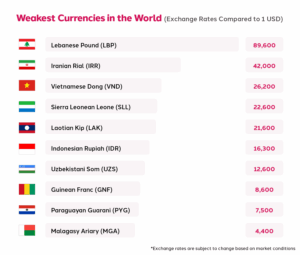
Now you know about the world’s currency symbols. It’s interesting to know about their actual currency value. Take a look at this chart highlighting the world’s strongest and weakest currencies:

Strongest Currencies

Table Showing the Weakest Currencies in the World

Frequently Asked Questions

What are the strongest and weakest currencies in the world?

As of now, the Kuwaiti Dinar (KWD) is the strongest currency in terms of exchange rate against the US Dollar, while Lebanese Pound (LBP) is the weakest.

How many official currencies are there in the world today?

Around 180 recognised currencies are in use around the world and this number will vary based on territories and regions that share currencies (like the Eurozone).

Why do certain countries use the same currency symbol?

Certain countries use the same currency symbol since they share the same historical or linguistic origins or to reflect their cultural or national identity.

Is there any difference between a currency code and a currency symbol?

Yes. A currency code is a standardised 3-letter ISO code (like USD, AED, EUR) used in international trade and banking. While a currency symbol is a graphic or visual sign used to represent the official currency of a country.

How are currency symbols chosen or designed?

Currency symbols are usually derived from historical abbreviations or specially designed to reflect a country’s culture and identity and at the same time remaining simple and globally recognisable. Once a symbol is finalised, the country’s authorities officially approves it and standardise through Unicode for worldwide use.

Top 10 Weakest Currencies in the World

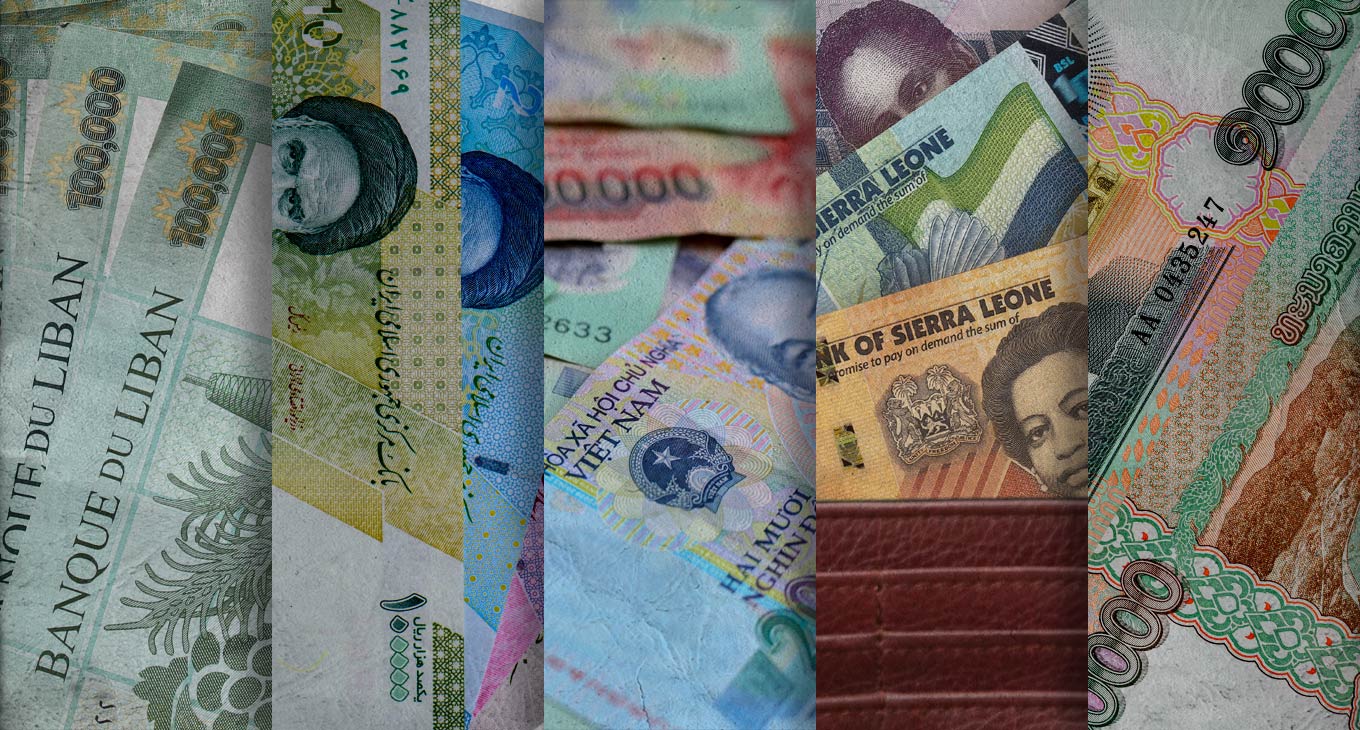
Have you ever travelled abroad and felt like an instant millionaire? You hand over your 50 AED note and get back a huge stack of local banknotes. At first, it’s exciting, until you realise those notes won’t buy as much as you thought.

That’s how currency values work. It isn’t about how much you have, but how much you can buy with that. Weaker currencies have much lower purchasing power when compared to the stronger ones.

In this blog, we’ll explore the 10 weakest currencies in the world right now and discover the reasons behind their low values.

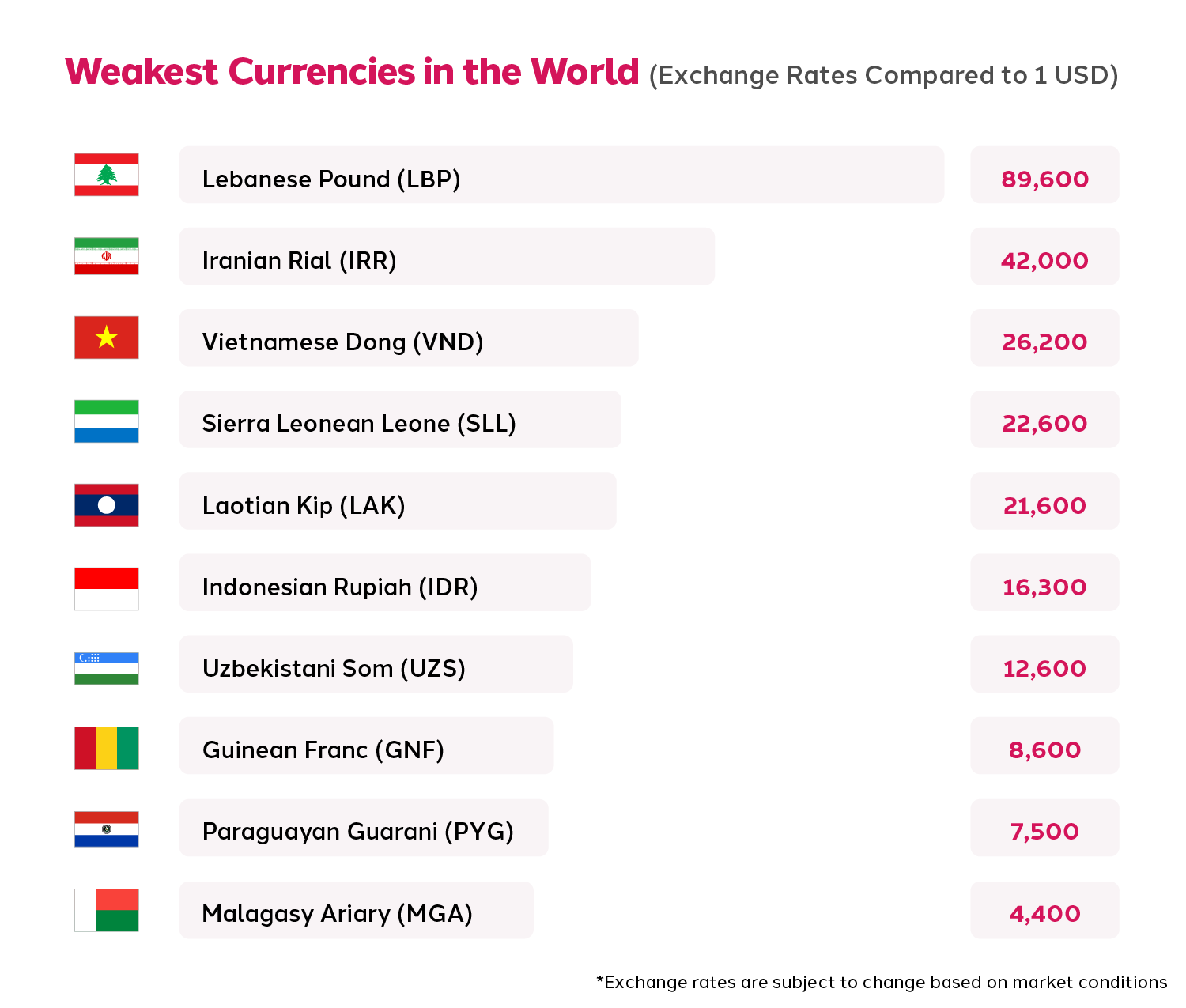
Table Showing the Weakest Currencies in the World

Before we explore the weakest currencies, take a moment to check the live exchange rates and stay updated.

Now, let’s have a look at the world’s weakest currencies by comparing them against the US dollar.

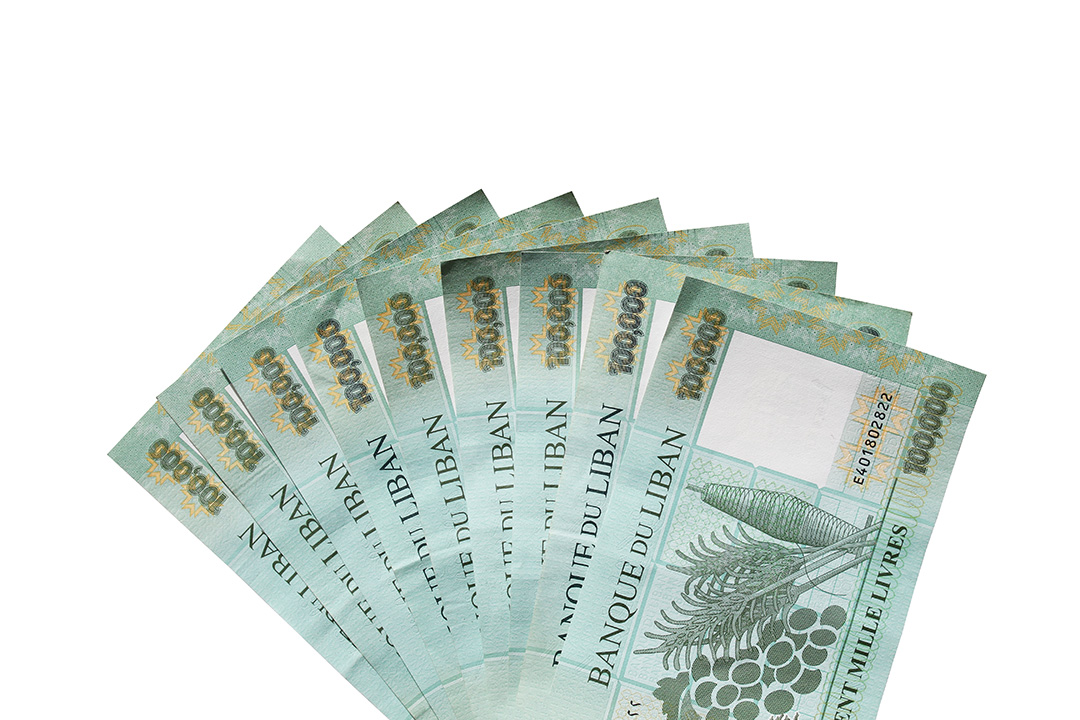
Lebanese Pound (LBP)

Exchange Rate: 1 USD ≈ 89,600 LBP

Lebanese Pound

The Lebanese Pound (LBP) or lira, is the weakest currency in the world. The currency lost its value after the banking sector crisis in 2019. Once pegged at 1,500 LBP per USD from December 1997 through January 2023, it lost over 98% of its value following the crisis. The Lebanese economy remains trapped in one of the worst financial crises, which was even worsened by hyperinflation, capital controls, and loss of foreign reserves.

Have a look at the strongest currencies in the world!

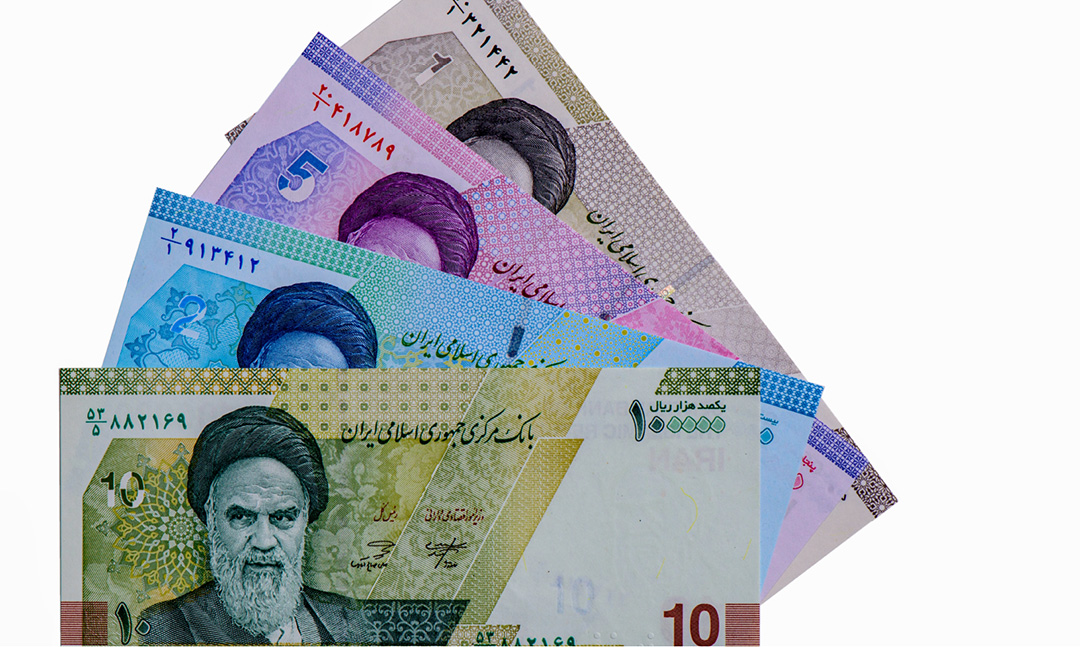
Iranian Rial (IRR)

Exchange Rate: 1 USD ≈ 42,000 IRR

Iranian Rial

Iranian Rial (IRR), the official currency of the Islamic Republic of Iran, first introduced in 1798 as a coin, is the second-lowest valued currency in the world. The currency started losing its value after the 1979 Islamic Revolution, which worsened during the Iran-Iraq war, and further declined after multiple international sanctions over its nuclear programme.

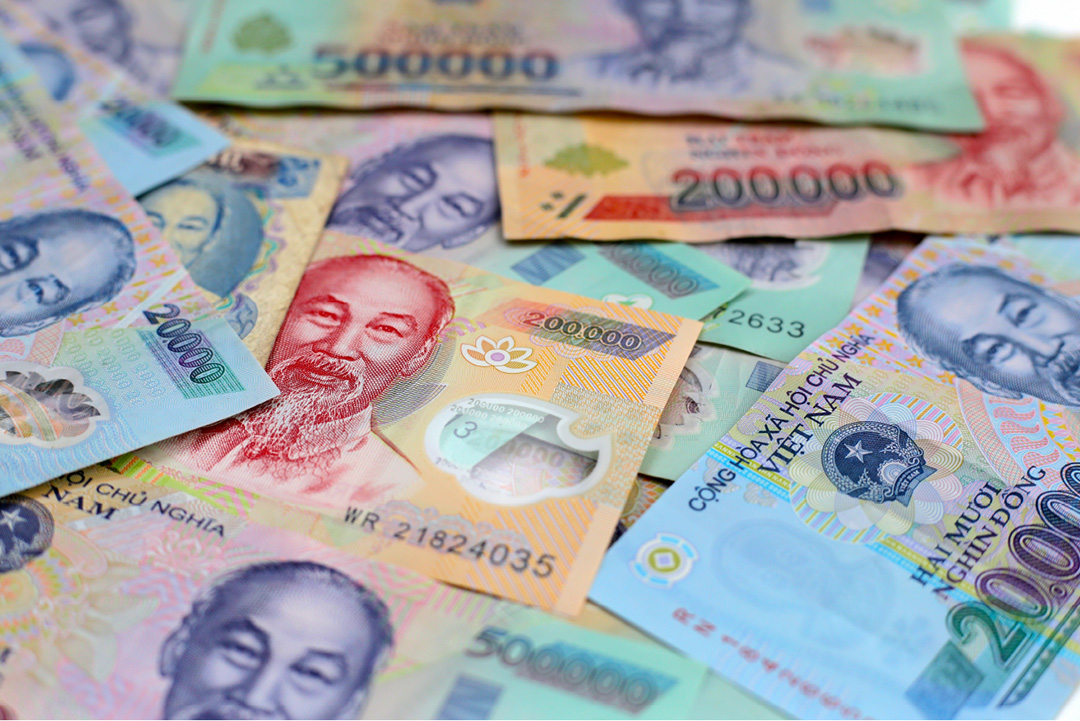
Vietnamese Dong (VND)

Exchange Rate: 1 USD ≈ 26,200 VND

Vietnamese Dong

Vietnamese Dong (VND), the official currency of Vietnam, is the third-lowest valued currency in the world. The currency, in use since 3 May 1978, was deliberately kept undervalued by the government to improve export competitiveness. Its low value raises import costs and at the same time boosts demand for Vietnam’s exports, which supports jobs and economic growth. The factors behind VND’s low value include a controlled exchange rate, large money supply, and inflation.

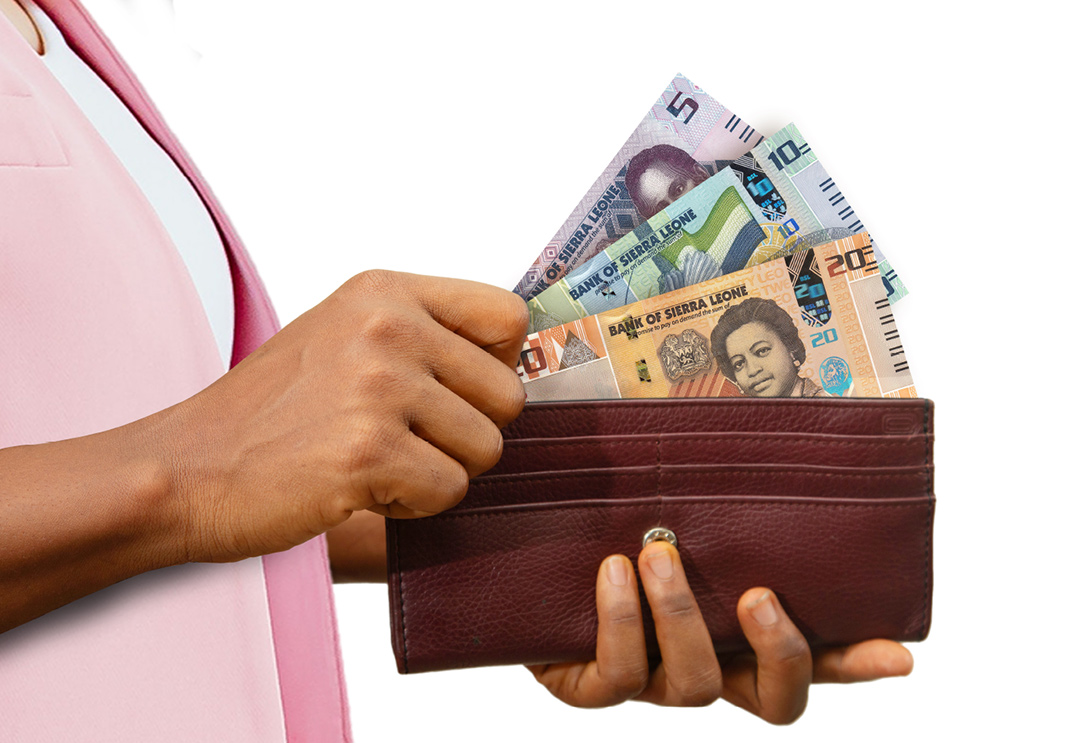
Sierra Leonean Leone (SLL)

Exchange Rate: 1 USD ≈ 22,600 SLL

Sierra Leonean Leone

Sierra Leonean Leone (SLL), the currency of Sierra Leone, is one of the weakest currencies in the world. Leone which was introduced on 4 August 1964, was worth more than the U.S. dollar until the 1980s.

But after inflation which continued for years, the value of leone started falling rapidly and now it reached a stage where over 22,000 leones are required to buy 1 U.S. dollar. Dependence on mineral exports, high inflation, and governance challenges are the reasons for the SLL’s low value.

Also Read: What is WPS in UAE?

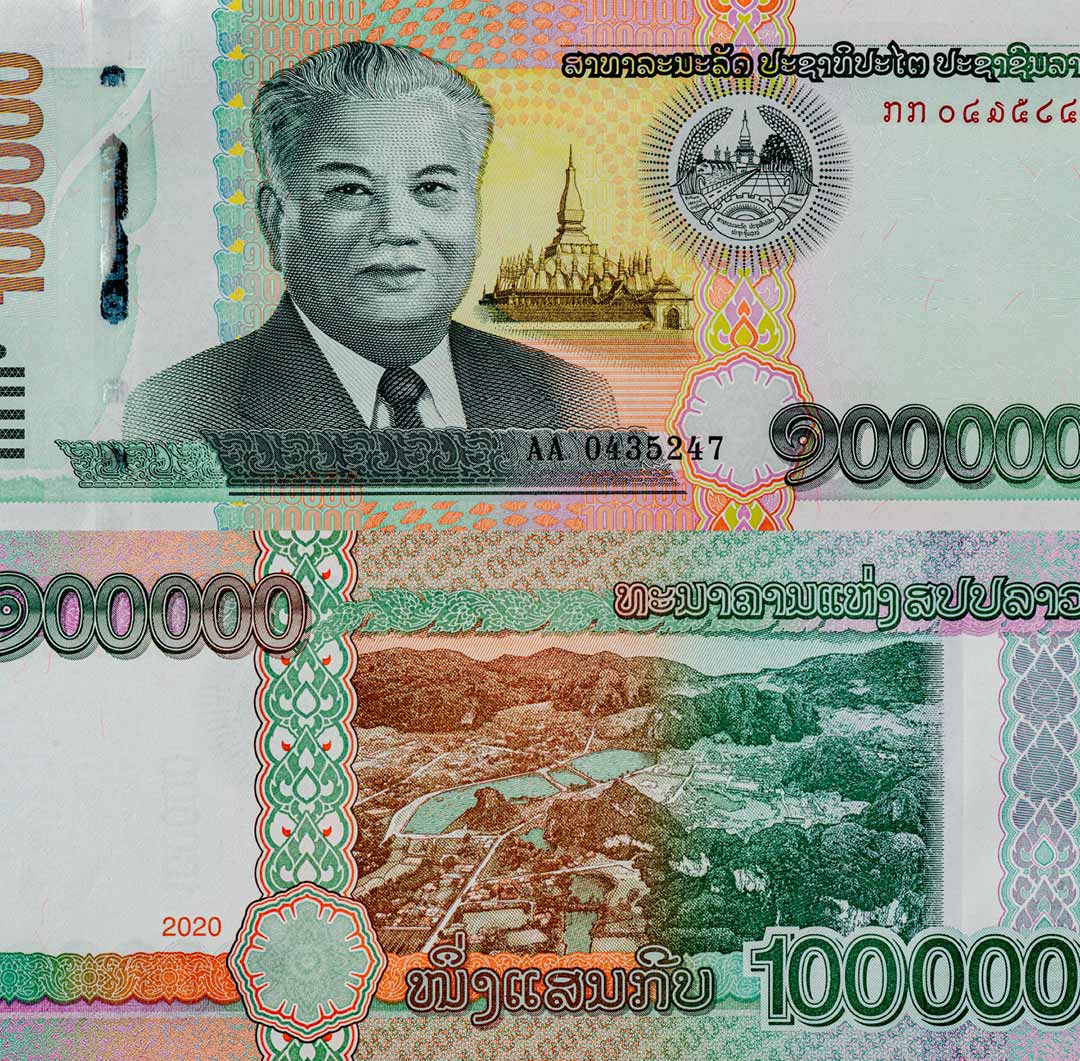
Laotian Kip (LAK)

Exchange Rate: 1 USD ≈ 21,600 LAK

Laotian Kip

Laotian Kip (LAK), also known simply as the kip, the currency of Laos is another weakest currency in the world. In Laos, industrial diversification is limited, while the major dependence is on hydropower, agriculture, and mining. The major reasons for the currency’s weakness are rising foreign debt, inflation, and limited export base.

Higher import costs due to inflation increase the prices of goods and services. For Laotian families who receive remittances from abroad, this can mean more local currency in hand but reduced purchasing power.

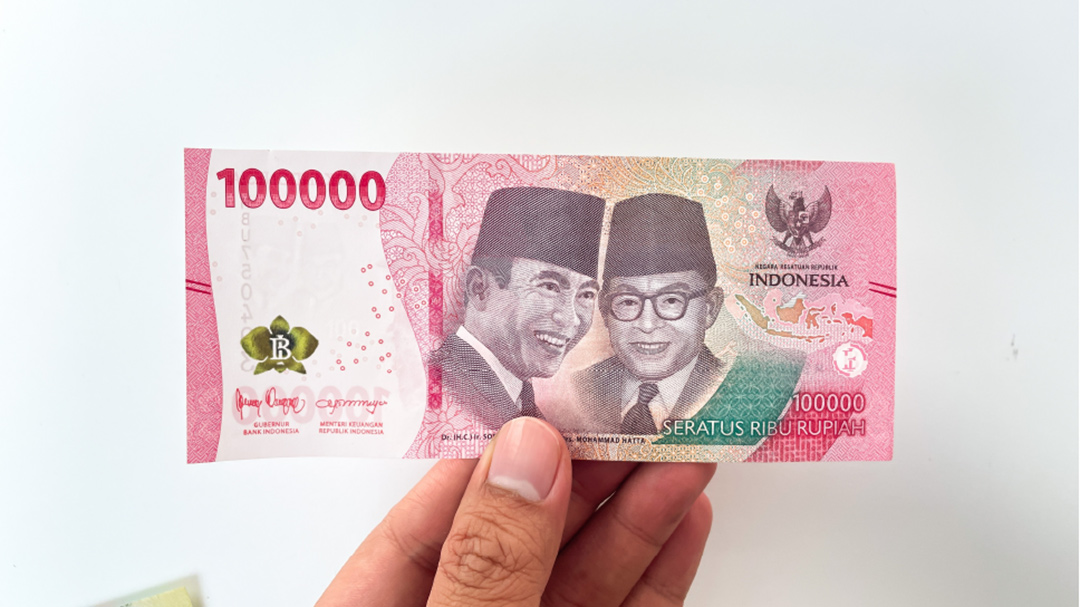
Indonesian Rupiah (IDR)

Exchange Rate: 1 USD ≈ 16,300 IDR

Indonesian Rupiah

Indonesian Rupiah (IDR), the official currency of Indonesia, is another weakest currency in the world and was introduced in 1946. Although being the largest economy in Southeast Asia, the currency is known to have the lowest value due to external shocks, capital outflows, and import costs. While IDR’s low value benefits exports and tourism, it increases costs for imports and foreign travel for Indonesians, keeping inflation risks in play.

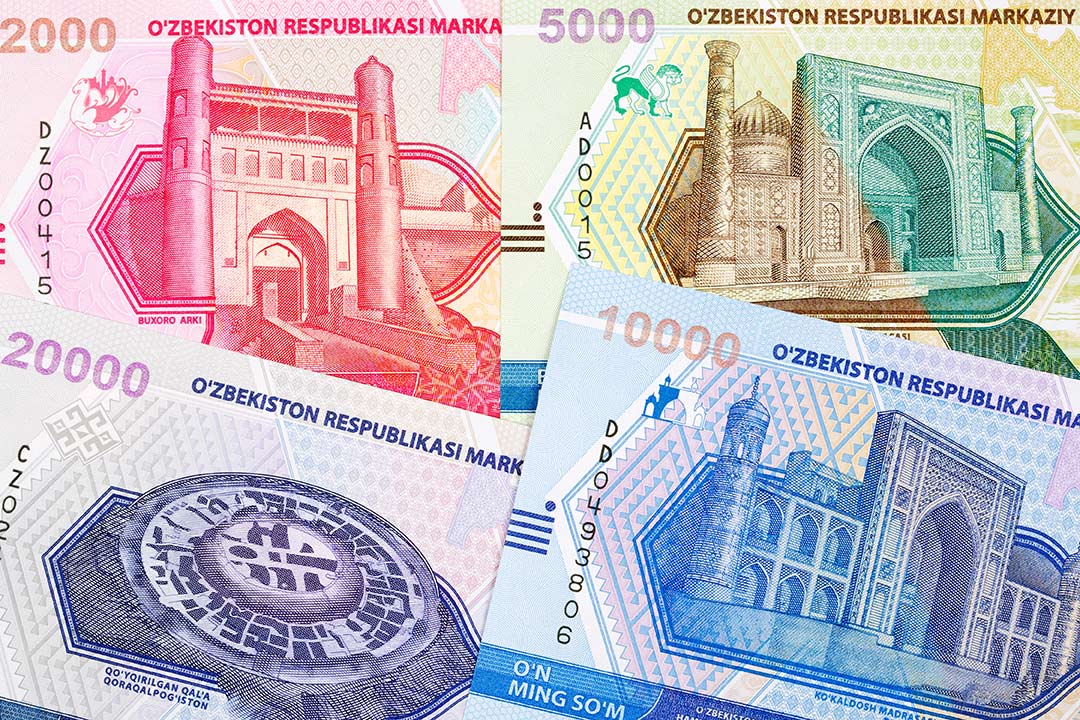
Uzbekistani Som (UZS)

Exchange Rate: 1 USD ≈ 12,600 UZS

Uzbekistani Som

Uzbekistani Som (UZS), the official currency of Uzbekistan, is next in the list of the weakest currencies in the world. When it was introduced on 1 July 1994, 1 USD was equal to 25 UZS, but now the value has dropped to approximately 12,625 UZS. Limited industrial diversification, high inflation, and low foreign investment are the major reasons the currency remains weak.

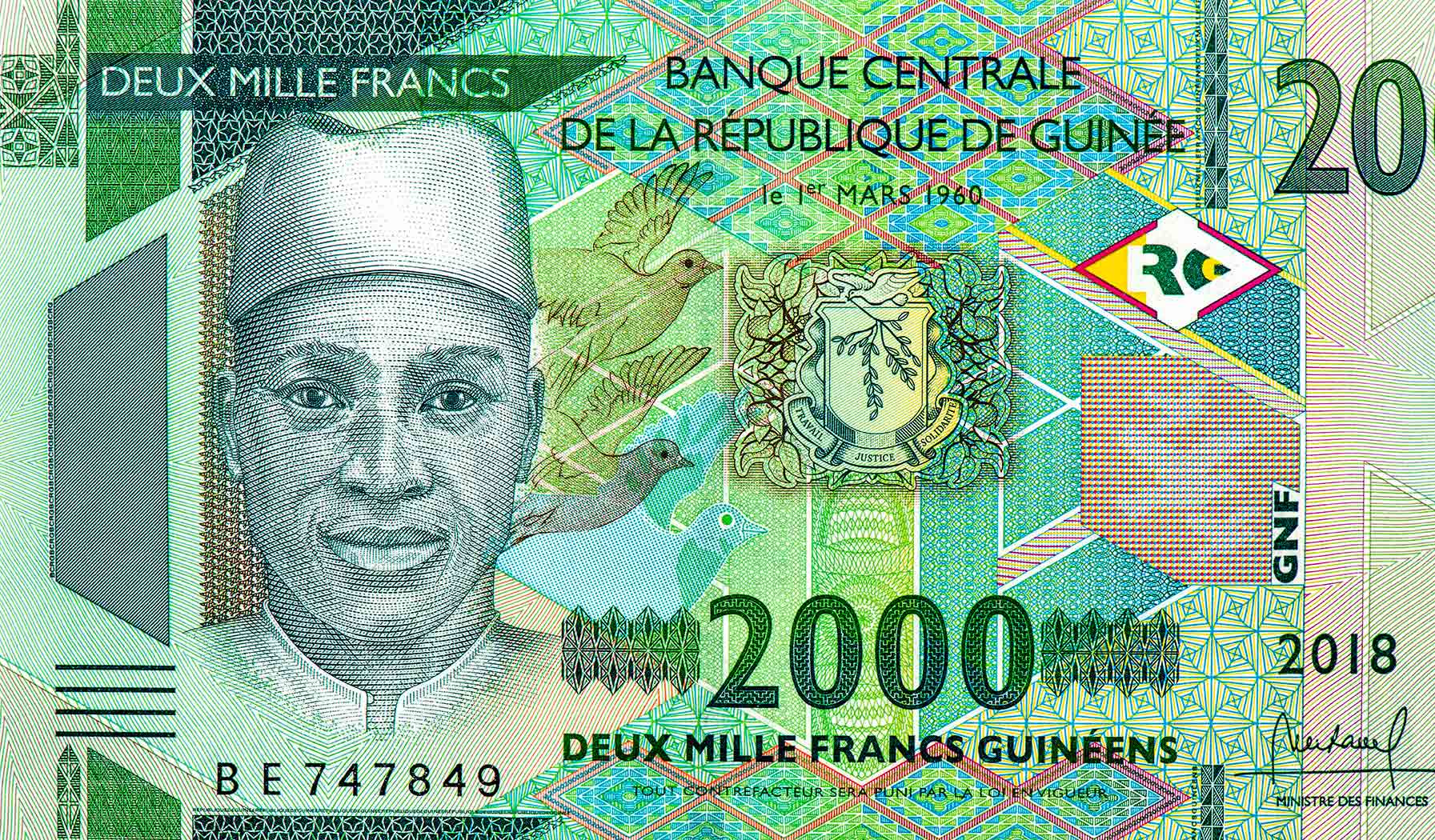
Guinean Franc (GNF)

Exchange Rate: 1 USD ≈ 8,600 GNF

Guinean Franc

Guinean Franc (GNF), the official currency of Guinea, is next in the list. Although Guinea is known for its abundance of natural resources such as gold, bauxite, and diamonds, the currency remains weak. Reliance on exports for raw materials, high inflation, and a limited manufacturing sector weaken the currency’s value. Remittances from abroad are essential for supporting household incomes.

Paraguayan Guarani (PYG)

Exchange Rate: 1 USD ≈ 7,500 PYG

Paraguayan Guarani

Paraguayan Guarani (PYG), the official currency of Paraguay, is another lowest-valued currency in the world. PYG’s low value reflects the country’s small, agriculture-dependent economy. Although its low value is useful in exports, it increases the costs of imported goods like fuel, machinery, and electronics.

The major reasons for the currency’s weakness are limited industrialisation, external vulnerabilities such as droughts or falling crop prices, and a limited presence in global trade.

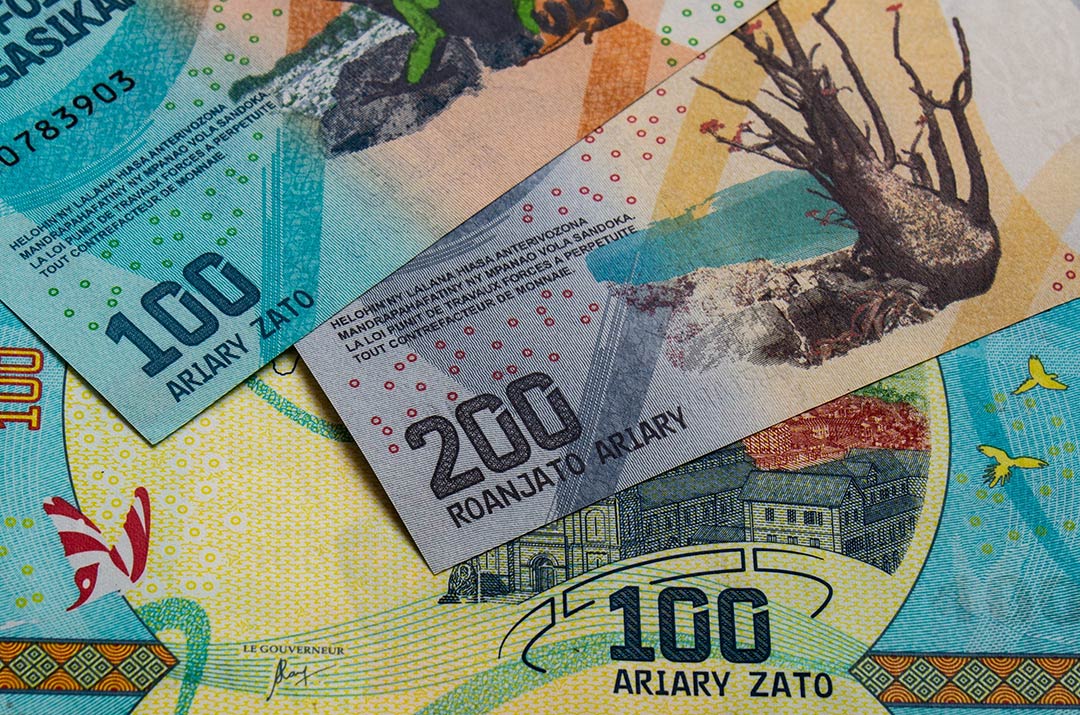
Malagasy Ariary (MGA)

Exchange Rate: 1 USD ≈ 4,400 MGA

Malagasy Ariary

Malagasy Ariary, the official currency of Madagascar, is the tenth in the list of weakest currencies in the world. It reflects the island country’s political instability, poverty, and underdeveloped infrastructure. The country’s economy relies heavily on agricultural exports like vanilla, coffee, and cloves. Climate change and global price fluctuations can adversely affect the country’s economy.

Disclaimer: All exchange rates are subject to change at any time based on market conditions.

Frequently Asked Questions

Which is the tenth weakest currency in the world?

The tenth weakest currency in the world, in terms of exchange rate against the USD, is the Malagasy Ariary (MGA).

What is the world’s lowest currency in 2025?

The world’s lowest-valued currency in 2025 is the Lebanese Pound (LBP), trading at roughly 89,600 LBP per USD, making it the weakest currency in terms of exchange rate value.

Which is the No.1 currency?

Kuwaiti Dinar (KWD) is known as the No.1 currency and the strongest currency in the world.

Why do some currencies have low value?

Common causes of low currency value are high inflation, economic & political instability, sanctions, and limited economic diversification.

Is a weak currency always bad?

No. Although a weak currency raises import costs and reduces purchasing power, it can make exports more competitive internationally, which can boost local industries and tourism.

How does a weak currency affect money remittances?

Those who rely on money remittances from abroad may get more local currency, but inflation in their country often reduces its real value.

Where can I check live exchange rates?

You can check live exchange rates using the LuLu Money App or on the currency converter page to get updated and accurate rates before sending money abroad.

People of Determination link
2026 FIFA World Cup Schedule