



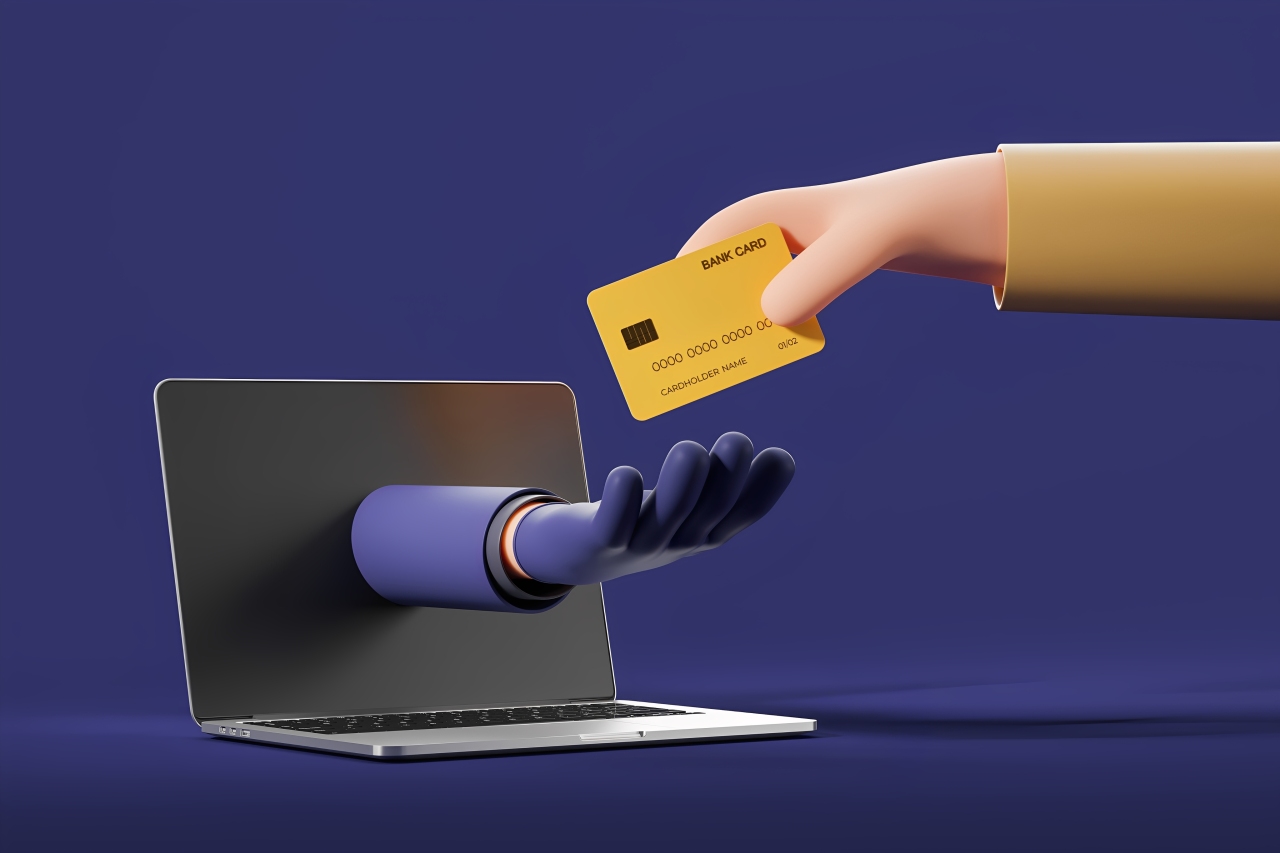
Every money transfer, phone call or message opened; there is a purpose behind it. Supporting family, meeting responsibilities or building a better future are a few of them. Scammers understand this emotional connection. They do not rely on technology alone. They rely on pressure, urgency, fear and trust. That is why knowing the patterns matters more than knowing the platforms. Let’s have a look at the latest scams and how the fraudsters try to trap you.
1. ‘Official Fine’ Messages that Create Fear
A sudden message claims you have violated a rule or traffic law and must pay immediately. The wording sounds formal, the deadline feels urgent and fear takes over. Many click the link without verifying.
Remember that real authorities do not demand instant payments through unknown links or messages.
2. Fake Toll or Road Fee Alerts
Small amounts seem harmless making these scams easy to ignore until it’s too late. A fake link leads to a payment page designed to steal your card details.
Pause and check; toll payments should only be made through official apps or portals you already trust.
3. Fake Remittance Calls & Transfer Release Scams
Calls or messages claim an issue with your transfer and ask for OTPs, PINs or card details to ‘release’ the money.
Remember this always, no genuine remittance service will ever ask for such information.
4. Look-alike Recharge Websites
Scammers copy the design of well known platforms almost perfectly. One wrong click can expose sensitive information.
Type website addresses yourself or use official mobile applications.
5. Job Offers that Ask for Money
Hope becomes the weapon here. Promises of employment are followed by requests for processing or visa fees.
Legitimate jobs never ask candidates to pay to get hired.
6. Calls Pretending to Be from Your Bank
A calm voice warns of a blocked account or security issue and asks for verification details.
Banks never request OTPs, PINs or card numbers over calls.
7. Fake Buyers and False Payment Proofs
Screenshots of transfers are shown as proof pushing sellers to release goods.
Be patient and only act after money is fully credited to your account.
8. Unreal Online Shopping Discounts
Limited time offers and countdowns push impulsive decisions.
Urgency is a scammer’s strongest tool.
9. Utility Refund or Bill Adjustment Emails
Small refund promises hide dangerous links.
Verify directly or check refunds only through official utility channels.
10. Public Transport Card Top Up Scams
Fake top up pages mimic real systems to collect card details.
Stay cautious and use only official apps or authorised counters.
A Final Thought
Scammers succeed when we rush. Safety begins when we stop, think and verify. Protecting your money means protecting your family, your effort and your future.
Stay alert. Stay safe.
Popular BLOG

October 12, 2026
Send Money, Win an iPhone 18 Pro Max: LuLu Money SendFest is Here

October 6, 2026
UTR Number: Everything You Need to Know

September 17, 2026
What is NRI? A Complete Guide for Indians Living and Working in the UAE
August 17, 2026
What is TAT? How LuLu Money Redefines Transfer Speed in the UAE
August 5, 2026
Why is August One of the Best Months to Send Money Home?

July 18, 2026
LuLu Exchange and LIVAN UAE Join hands for Channel 4 Radio’s Football Campaign

June 11, 2026
A Partnership Born from Shared Values, Timed for the World's Biggest Stage

May 29, 2026
What's the Best Way to Pay University Fees Abroad?

May 11, 2026
Building a Financially Secure Future for Our Nation

April 30, 2026
Top 10 Richest Indian Expats in the UAE
LuLu Money and Ding partner to offer international mobile top-up to
Subscribe Our
Youtube Channel

LatestBLOG