




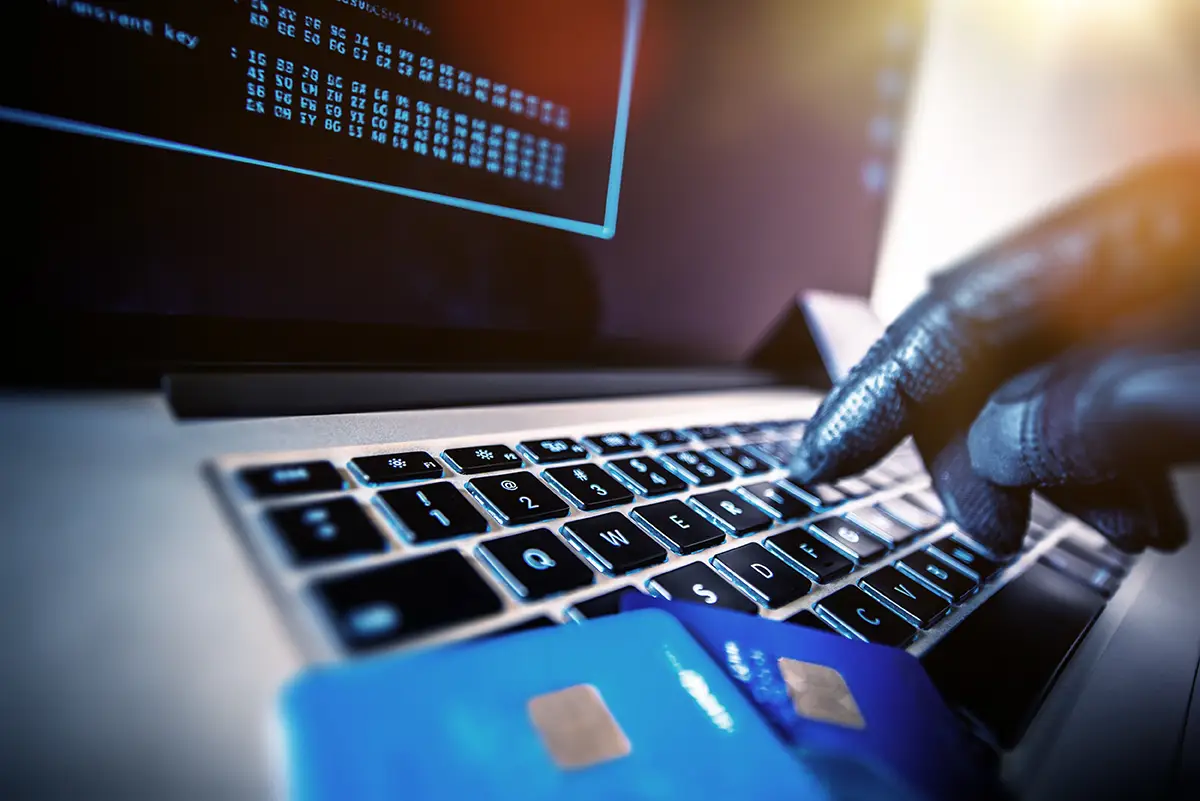
Every month, millions of expats in Kuwait send part of their salary home to their families. That routine — familiar, repetitive, often done in a hurry between shifts — is exactly what makes money transfer fraud in Kuwait such a persistent problem. Scammers don’t need to break into a bank; they only need one rushed, distracted transfer. How to transfer your money safely is discussed here.
Common Types of Money Transfer Scams Targeting Expats in Kuwait
- Fake bank link scams. You receive an SMS, email, or WhatsApp message claiming you’ve won a prize or have a pending transfer, urging you to click a link and “verify” your details. The link leads to a cloned banking page designed to steal your login
- OTP and “KYC update” fraud. A caller poses as your bank, exchange house, or telecom provider, claiming your account or KYC will be blocked unless you share a one-time password.
- Fake investment and trading platform scams. Promoted through social media and messaging apps, these schemes promise fast, guaranteed profits on a small upfront investment.
- Fake customer care and helpline scams. Fraudulent numbers posted on social media impersonate legitimate banks or transfer services. When you call with a genuine issue, the “agent” creates urgency and asks for remote access to your phone or your OTP. Always check the official page or website for genuine numbers.
- Job, loan, and “quick money” transfer scams. Adverts for high-paying remote jobs or instant loans that require an upfront “processing fee” or a test transfer before anything is delivered.
Warning Signs of a Money Transfer Scam
Watch for these patterns — they show up across nearly every scam type:
- Urgency: You’re pressured to act immediately, with no time to verify or ask questions.
- Secrecy: You’re told not to mention the transfer to your bank, family, or the app’s support team.
- Requests for OTP, PIN, or passwords: No legitimate bank, exchange house, or money transfer app will ever ask for these over a call, SMS, or chat.
- Unusual payment channels: Requests to pay via gift cards, cryptocurrency, or an unfamiliar third-party app.
- Last-minute changes to recipient details: A sudden switch in bank account or beneficiary information right before you confirm.
- Deals that sound too good to be true: Guaranteed high returns, free prizes, or “test transfers” for a job that hasn’t started yet.
Also read: Kuwait’s Exchange Market Keeps Growing: The Shift to Online Money Transfers
How to Protect Yourself When Sending Money From Kuwait
- Verify independently. If you get a call or message claiming to be your bank or transfer provider, hang up and contact them directly using the number listed on their official app or website — never the number given to you in the message.
- Never share your OTP, PIN, or password with anyone, including someone claiming to be bank or customer support staff.
- Use a licensed, CBK-regulated app. For online transfers use a CBK regulated legitimate app.
- Double-check recipient details before confirming any transfer — most transfers, once sent, can’t be reversed.
- Be sceptical of “urgent” investment or job offers shared over WhatsApp or social media, especially ones asking you to move money through your own account first.
- Check for a secure, official domain Always check the website address carefully. Make sure you are on the official website of the service provider and that the domain name is spelled correctly.
Are You Looking for a Safe Money Transfer? LuLu Money Is Here for You
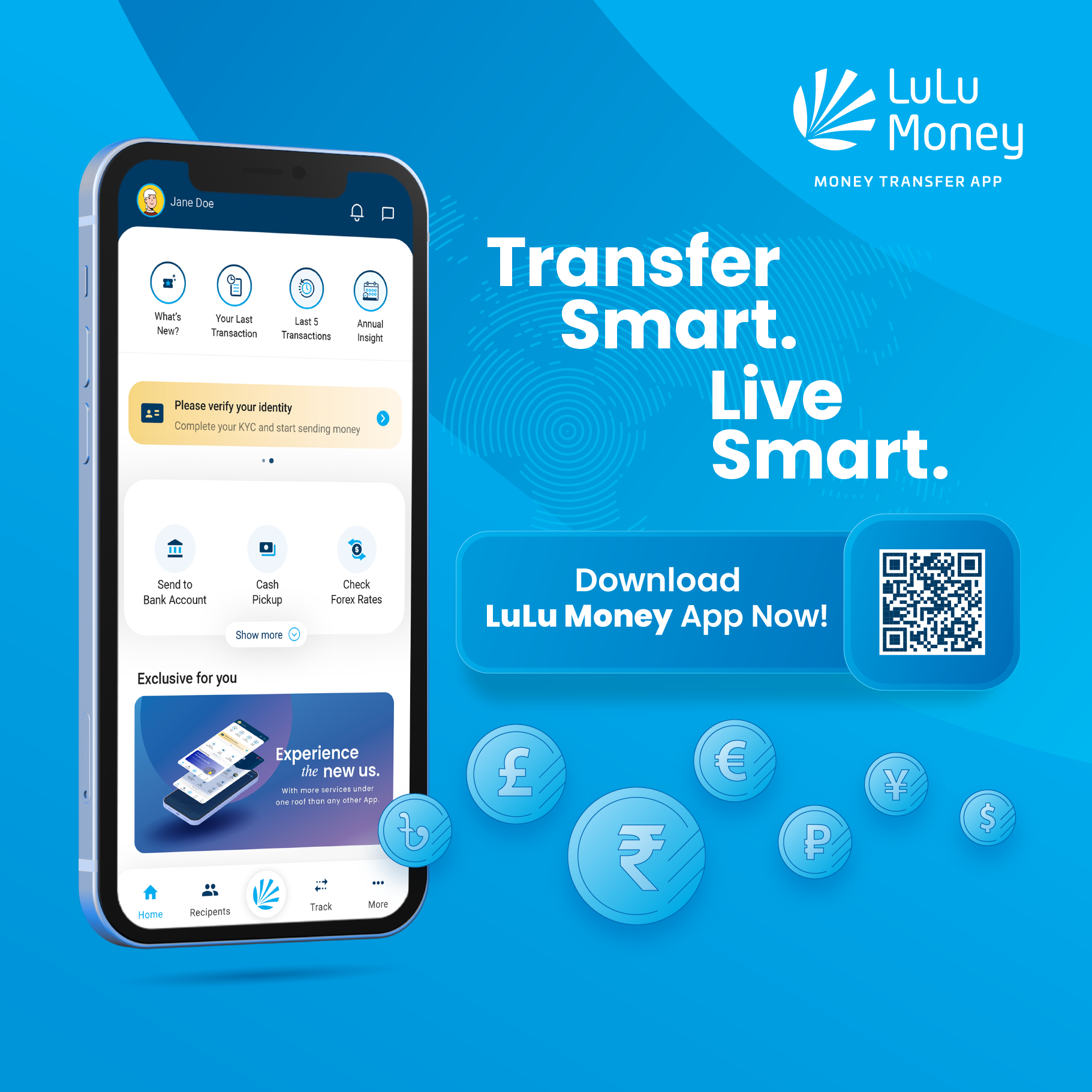
LuLu Money App is a CBK-regulated money transfer app designed to move your salary home safely, and conveniently.
- Regulated, secure transfers backed by Central Bank of Kuwait oversight and mandatory identity verification on every online transaction.
- Fast delivery to major corridors including India, the Philippines, Bangladesh, Nepal, Sri Lanka, and Egypt.
- Live exchange rates are shown upfront, so there’s no confusion about what your family receives.
- Multiple payout options — bank deposit, cash pickup, or mobile wallet, depending on what works for your recipient.
- LuLu Money Rewardz — earn points on every transfer and redeem them as Cashback Vouchers or at LuLu Hypermarket.
- 24×7 customer care to verify any request before you act on it.
How to get started:
- Download the LuLu Money app from the App Store or Google Play or App Gallery.
- Sign up and complete identity verification.
- Add your recipient’s details and choose your payout method.
- Check the live rate, confirm, and send.
No links to click from a stranger, no OTP to share on a call — just a straightforward, regulated way to send money home.
Check the live currency rate at LuLu Money.
How LuLu Money Keeps You Safe
LuLu Money App is one of the trusted and best ways to send money anywhere in the world.
- 24×7 customer care is available if you ever want a service from us.
- We contact prize winners only through our verified social media accounts or a direct message.
Fraudsters rely on speed and panic — a legitimate transfer never needs to happen in the next five minutes. Slowing down, verifying independently, and using a CBK-licensed, security-verified app like LuLu Money is the simplest way to protect the money you’re sending home.
Frequently Asked Questions
1. What are the common money transfer scams in Kuwait?
Common scams include fake bank links, OTP and KYC update fraud, fake customer care numbers, fraudulent investment offers, and job or loan scams that ask for upfront payments. Scammers often use urgency to pressure people into sharing information or transferring money.
2. How can I identify a money transfer scam?
Watch for messages or calls that create urgency, promise guaranteed returns, ask for your OTP or PIN, or pressure you to use unfamiliar payment channels. Unexpected changes to recipient bank details are another warning sign. Verify the request independently before taking action.
3. Is it safe to send money online from Kuwait?
Online money transfers can be safe when you use a legitimate, appropriately licensed provider and follow security precautions. Check the provider’s regulatory details, verify its official app or website, review the transfer information, and never share your OTP, PIN, or password.
4. What should I do if someone asks for my OTP to process a money transfer?
Never share your OTP with anyone over a call, SMS, WhatsApp, or chat, even if they claim to represent your bank or money transfer provider. End the conversation and contact the organisation through its official app or website if you need to verify the request.
5. How can I check whether a money transfer app is legitimate in Kuwait?
Check the provider’s licensing and regulatory information, including whether it is authorised under the Central Bank of Kuwait requirements. Download the app through official app stores, verify the publisher’s name, and check that the website domain is spelled correctly before entering personal or payment details.
Popular BLOG
October 6, 2026
Money Transfer Fraud in Kuwait: The Warning Signs Every Expat Should Know

September 23, 2026
Why Kuwait's Exchange Market Keeps Growing: The Shift to Online Money Transfers
May 8, 2026
Top Payment Methods in Kuwait: A Complete Guide

May 4, 2026
Best App to Send Money From Kuwait to India
April 13, 2026
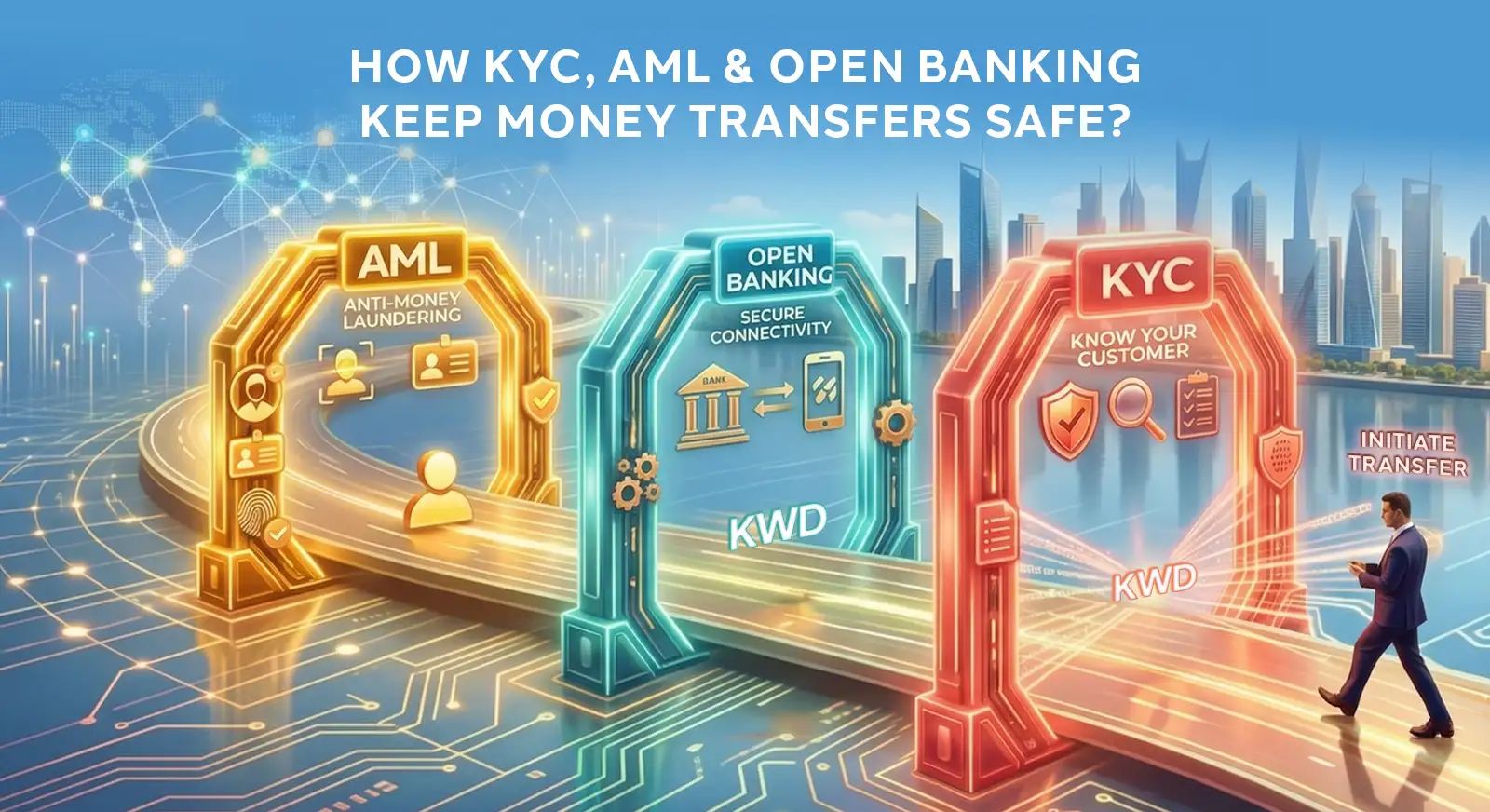
How KYC, AML & Open Banking Keep Money Transfers Safe?

March 26, 2026
War and Money: How War Affects Financial Industries?

March 23, 2026
Egypt Wallet Transfers are LIVE on LuLu Money

March 10, 2026
Beyond Distance: How Digital Remittances Change Eid for Expats
February 18, 2026
Why is the Kuwaiti Dinar the Strongest Currency in the World?

February 16, 2026
14 Years of Excellence: LuLu Exchange Celebrates a Milestone Journey in Kuwait
Subscribe Our
Youtube Channel

LatestBLOG