



We live in a world where sending money is as easy as sending a text message. With just a few clicks on your smartphone, your money gets delivered to your loved one on the other side of the world.
But with this incredible convenience comes a massive responsibility for the financial institutions that facilitate these transfers. Every time you click the Send button on your phone, a highly complex, invisible network of security checks and regulatory systems kicks in.
Let’s understand how AML, KYC, Compliance, and Open Banking work together to keep your money transfers completely safe and effortless.
What you’ll read about
What Exactly Is Financial Compliance?
Compliance simply refers to the adherence to laws, regulations, and standards. But when it comes to cross-border money transfers, there isn’t just one rulebook.
A single transfer involves following the laws of the country you are sending from, the country receiving the funds, and international monetary guidelines.
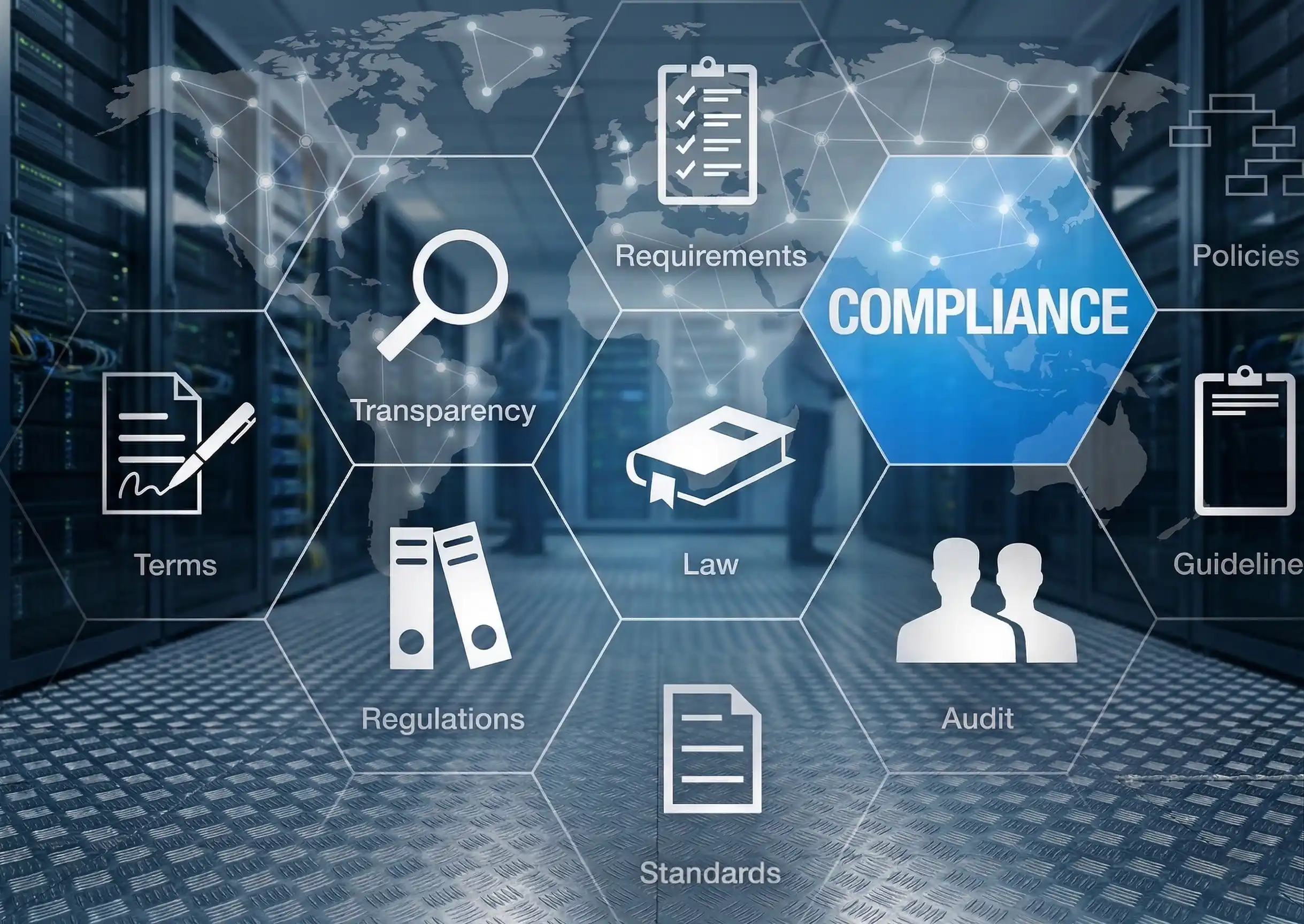
It’s when a financial institution or app is fully compliant that you can ensure that your money is handled ethically, transparently, and legally, preventing transactions from being frozen, delayed, or rejected by intermediary banks along their journey.
Also Read: Why Choose Remittance Apps and Exchange Houses Over Banks!
KYC and AML: The Core Guardrails of Security
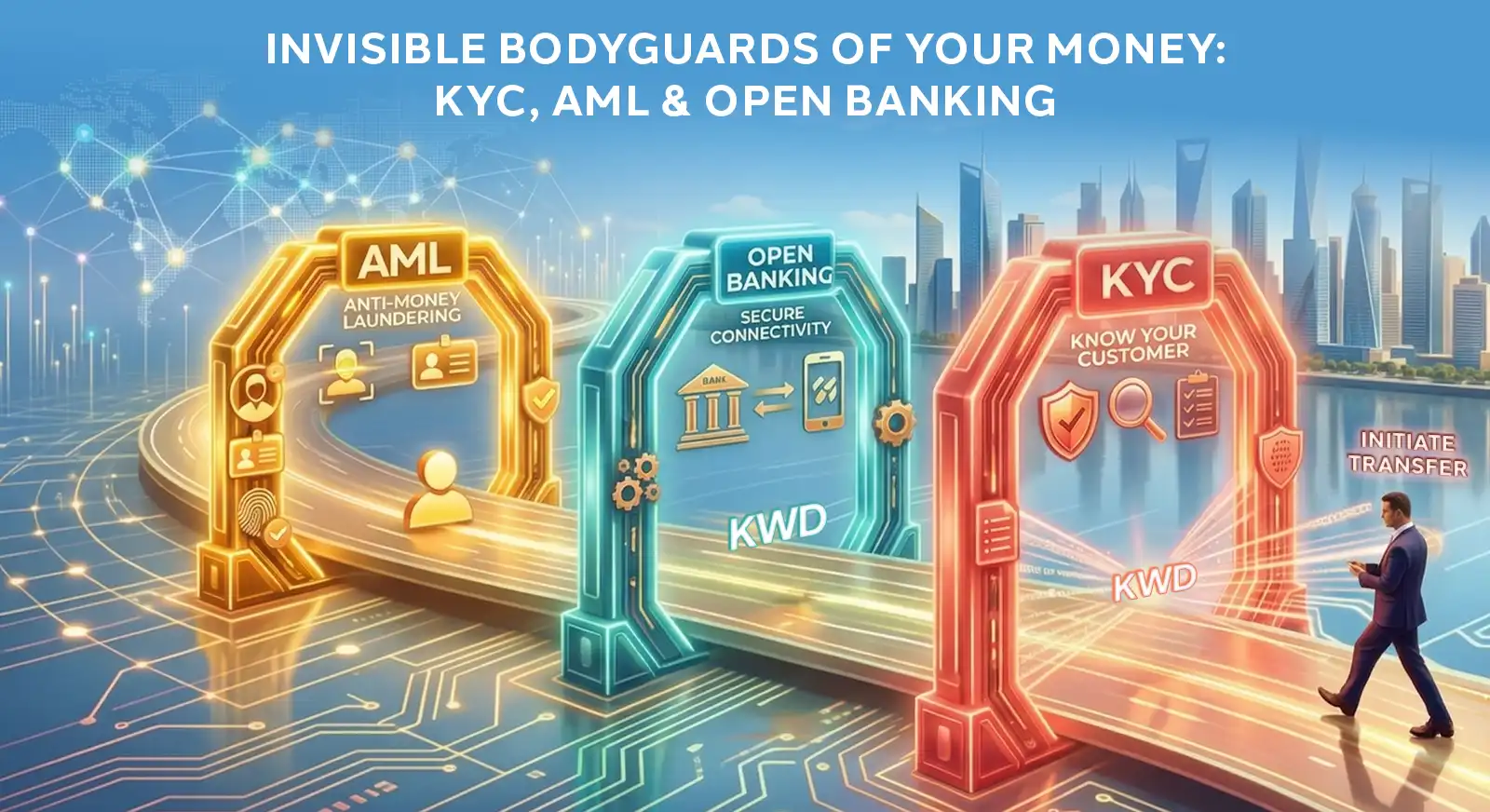
Within the broader scope of compliance sit two vital pillars: KYC (Know Your Customer) and AML (Anti-Money Laundering). These are the two main systems that work behind the scenes to protect institutions and individual users from financial abuse.
- KYC (Know Your Customer) – The First Line of Defense: KYC is the process of verifying your identity when you first sign up on an app or when you approach a branch/bank for money transfers. By ensuring a customer is exactly who they claim to be, the ecosystem is immediately secured against identity theft. No one can open an account in your name or use your financial details.
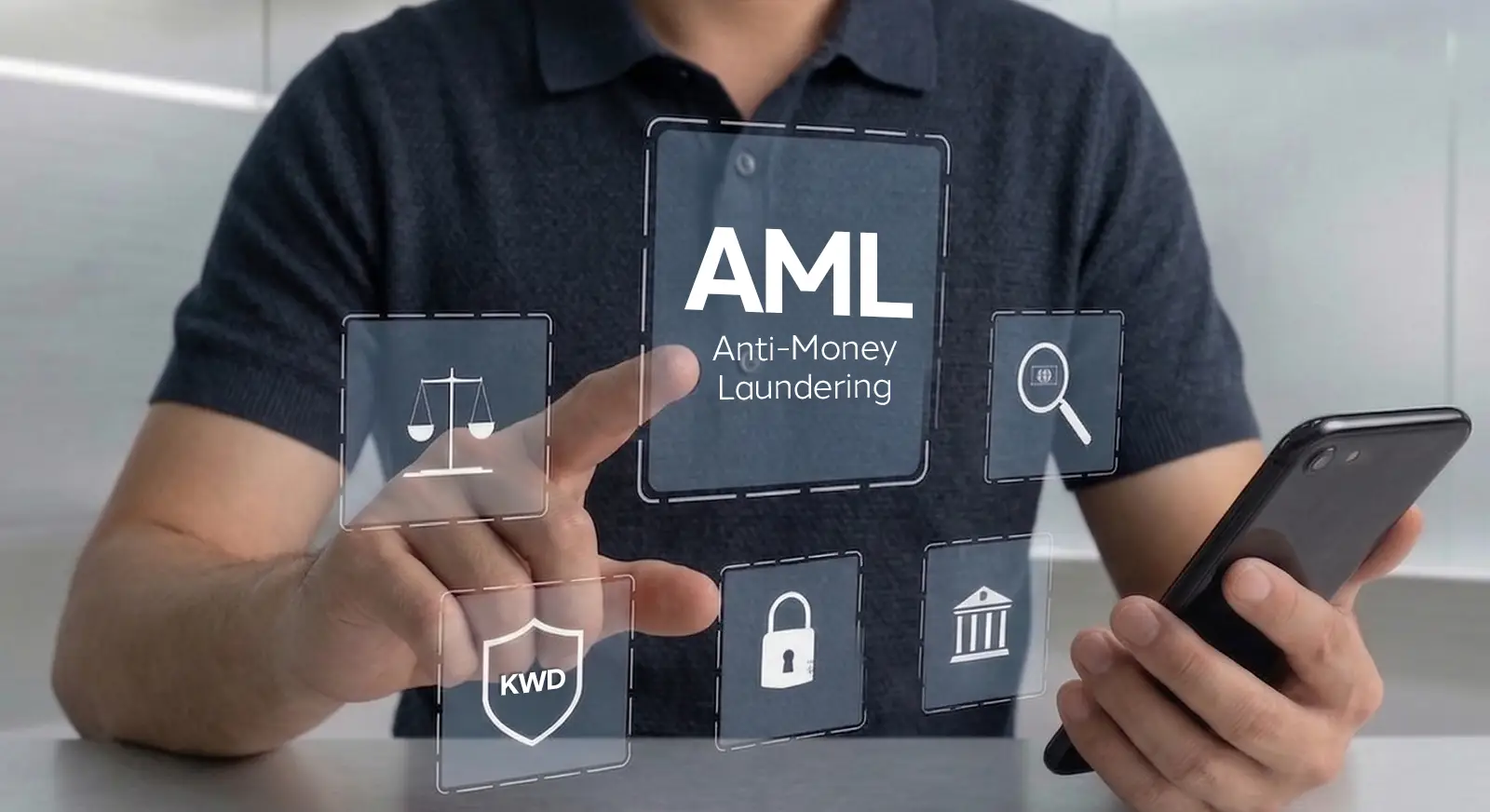
- AML (Anti-Money Laundering) – The Global Shield: It is a set of global laws and technical protocols that stop criminals from moving illegally obtained money through the banking system. With AML, fintech apps keep the platform safe, trusted, and free from fraud.
Open Banking: The Highway for Your Money
Open Banking, a relatively new revolution in financial technology, is a system that allows you to securely connect your bank account to authorized third-party providers using encrypted APIs.
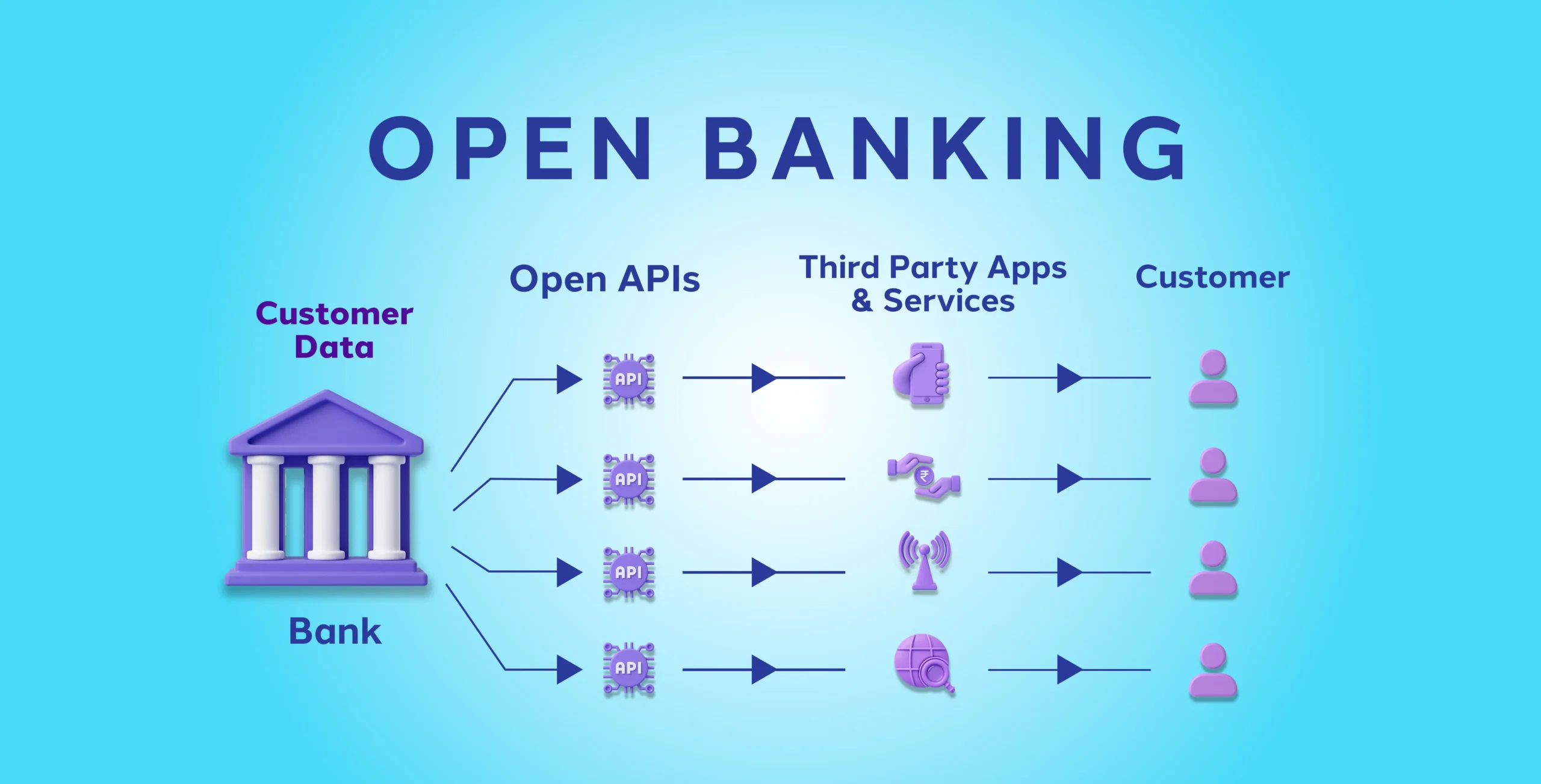
Instead of you acting as the middleman (typing in long account numbers or doing clunky manual wire transfers), Open Banking lets you grant this third party direct, encrypted access to your financial data.
- No More Chasing Paperwork: With the third-party provider securely pulling details that your bank has already verified, it saves you the hassle of uploading the same physical documents over and over again.
- Enhanced Security: This direct link gives the third-party provider a much clearer view of your financial profile, making it easier for them to spot real risks, block scammers, and keep the platform safe.
- Instant Approvals: Since the system can easily recognise your verified transaction patterns, your legitimate transfers skip the unnecessary security holds and gets transferred to its destination without delay.
Send money NOW at the best rates!
Putting It All Together: Why LuLu Money is the Smart Choice
It’s great to know your money is safe, but finding an app you can actually trust can be confusing. LuLu Money makes the choice easy.
By handling all the strict banking rules and complex security steps behind the scenes. By using fast, modern technology, you can enjoy a safe and effortless way to send money.
Here is what that looks like for you:
- Instant KYC: With instant KYC, you no longer need to wait in lines at a branch. LuLu Money offers instant digital verification, allowing you to send large amounts right away.
- Bank-Level Protection: The app uses advanced encryption and AML monitoring to ensure your data is protected, and your money travels safely and legally to over 175 countries.
- Quick & Easy Payments: With Open Banking, funding your transfer has become easy. Regardless of your chosen payment method, connecting your funds is encrypted, instant, and hassle-free.
- 24/7 Tracking & Best Rates: LuLu Money will never let you wonder where your money is. With real-time tracking, clear upfront currency exchange rates, and automated rate alerts, you know exactly what you are paying and when it arrives.
Also Read – War and Money: How War Affects Financial Industries?
The Bottom Line
Sending money across borders requires top-tier security. With KYC, AML, and Open Banking acting as your money’s invisible bodyguards, your transfers remain safe and secure, reaching the recipient without delay.
With so many options on the market, finding a provider you can trust with your hard-earned money isn’t easy. But by choosing a trusted, fully regulated platform like LuLu Money, you get bank-level security without the complicated process.
You just handle the “who” and the “how much,” and LuLu Money will take care of the rest!
Frequently Asked Questions
Why do I have to provide my ID to send money?
You need to provide your ID to prevent identity theft. This is a mandatory legal requirement to ensure that no one else can use your personal details to send money.
Is it really safe to connect my bank account using Open Banking?
Yes, Open Banking is highly secure as it uses encrypted connections to link to your bank without ever sharing your login passwords. With this practice, your data is kept safe while giving you full control over your funds.
Will all these security and compliance checks delay my money transfer?
No, these modern technological advancements actually speed up the process! By instantly verifying data and monitoring transfers in real-time, legitimate transactions skip manual holds and process incredibly fast.
How does LuLu Money protect my personal data?
LuLu Money uses advanced encryption and strictly follows global data protection laws. This ensures your personal and financial information remains completely safe and secure.
Do I still need KYC if I am only sending a small amount of money?
Yes, KYC is a legal requirement for all transfers, regardless of the amount. This helps keep the entire global financial system secure for everyone.
Popular BLOG
April 13, 2026
Invisible Bodyguards of Your Money: KYC, AML & Open Banking

March 26, 2026
War and Money: How War Affects Financial Industries?
March 23, 2026
Egypt Wallet Transfers are LIVE on LuLu Money

March 10, 2026
Beyond Distance: How Digital Remittances Change Eid for Expats
February 18, 2026
Why is the Kuwaiti Dinar the Strongest Currency in the World?

February 16, 2026
14 Years of Excellence: LuLu Exchange Celebrates a Milestone Journey in Kuwait
February 2, 2026
Why You Should Choose Remittance Apps and Exchange Houses Over Banks
August 11, 2023
Building Bridges: Unleashing the Potential of Cross-Border Payment Interoperability

July 24, 2023
Knowledge Engineering & Neural Network- A Hybrid Synergy
July 7, 2023
Emerging Cyber Threats Against the Financial Industry: Protecting Critical Assets in the Digital Age
Subscribe Our
Youtube Channel